



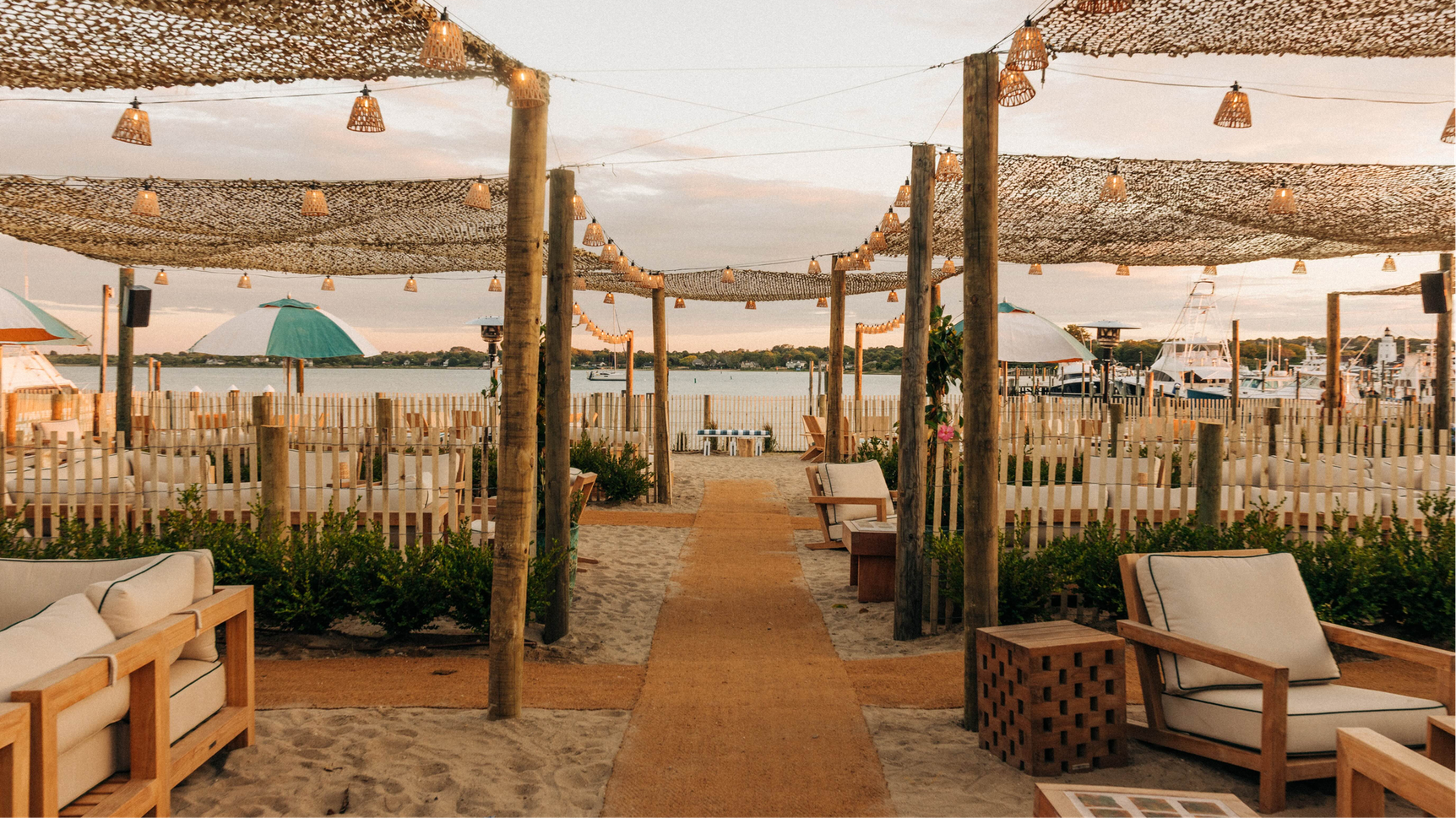
A European Vacation… in Montauk
Did your summer plans to Capri not pan out? Well, Barlume Beach has a backup. The new 19-room hotel from LDV Hospitality is bringing a dose of la dolce vita to the East End with Mediterranean-inspired interiors by Studio Tre, plus waterfront dining, a lively beach club, and a marina for those who happen to arrive by boat. With cork floors, custom oak furniture, and a verdigris lava stone bar, this spot feels more like a coastal state of mind than a themed resort.
“I’m holding fast to my core belief of timelessness, elegance. If you have an authentic style and you know what you have to offer, you’re lucky. I’m not trying to do anything except authentic Barbara Barry. … So much is derivative. I’m like, ‘Get an idea of your own.’"

—Designer Barbara Barry, founder of her namesake LA design studio

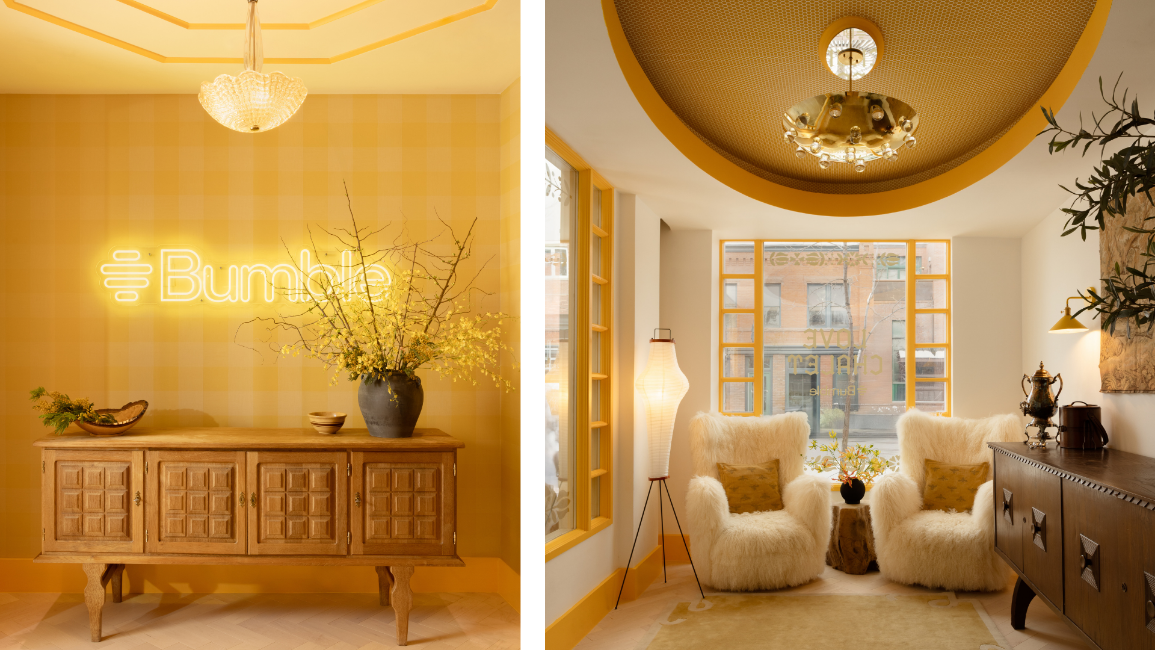
Swipe Right For Bumble’s IRL Dating Experience in Aspen
Dating has never been easier—or harder, depending on your POV—thanks to dating apps. But Bumble saw an opportunity to bring their brand’s ethos to in-person experiences, and to bring the dating world full circle from in-person meet-cutes to Bumbling online and back again. Studio Coco Greenblum made it happen by turning an empty storefront in Aspen into what’s called the Love Chalet. And Coco and her team did it in record time—three weeks to be exact—and it became a hive abuzz with potential connections and possibilities.
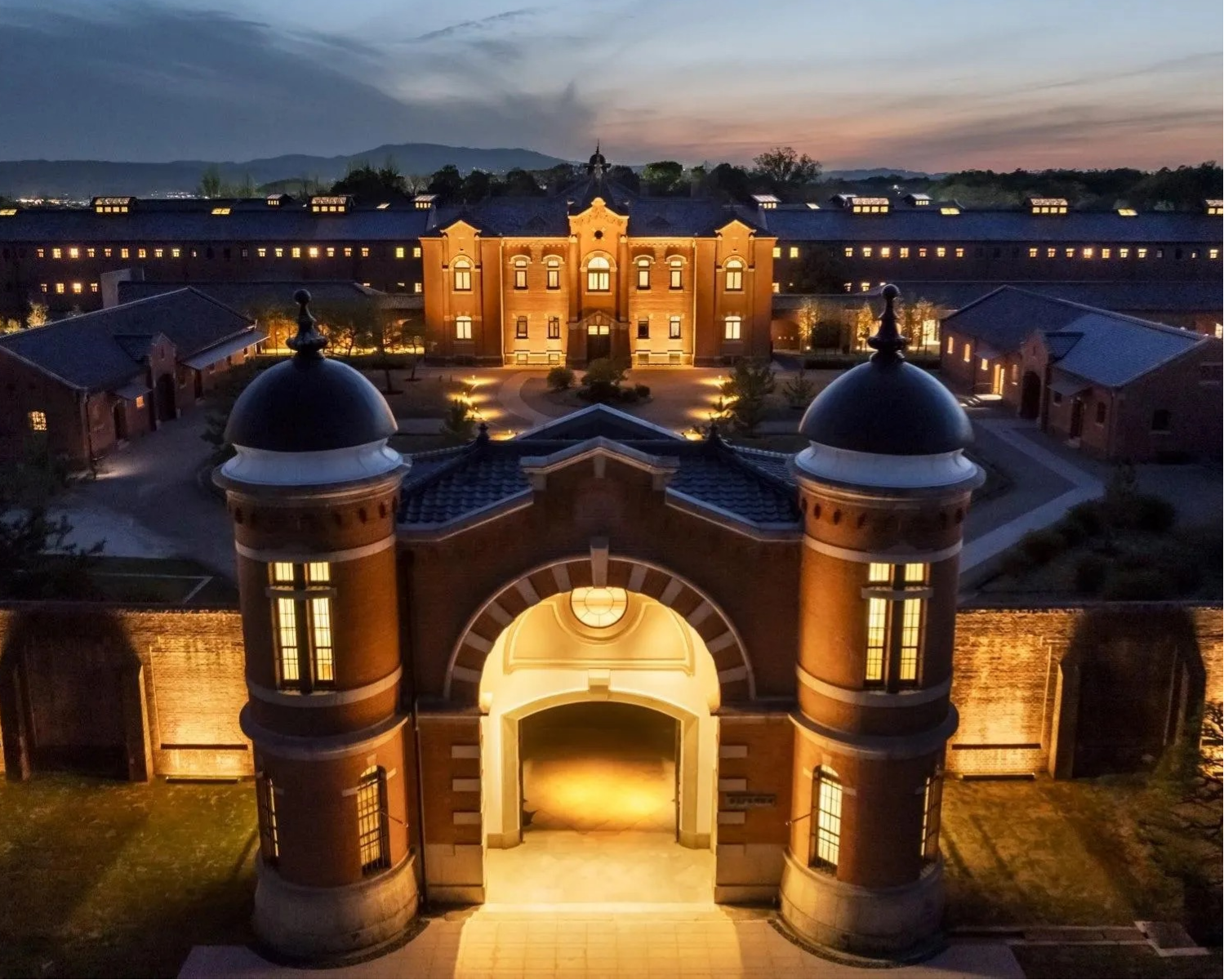
This Prison-Turned-Luxury Hotel Offers the Perfect Escape
Let's get real: "Luxury prison hotel" sounds like the setup for a joke. But HOSHINOYA Nara Prison it's very real. It's preserving one of Japan's most significant historic buildings and keeping its story alive. The former 1908 prison has been transformed by Azuma Architects and Yasui Architects into a 48-suite luxury hotel that's equal parts history lesson, design marvel, and "Wait...I'd actually stay there."
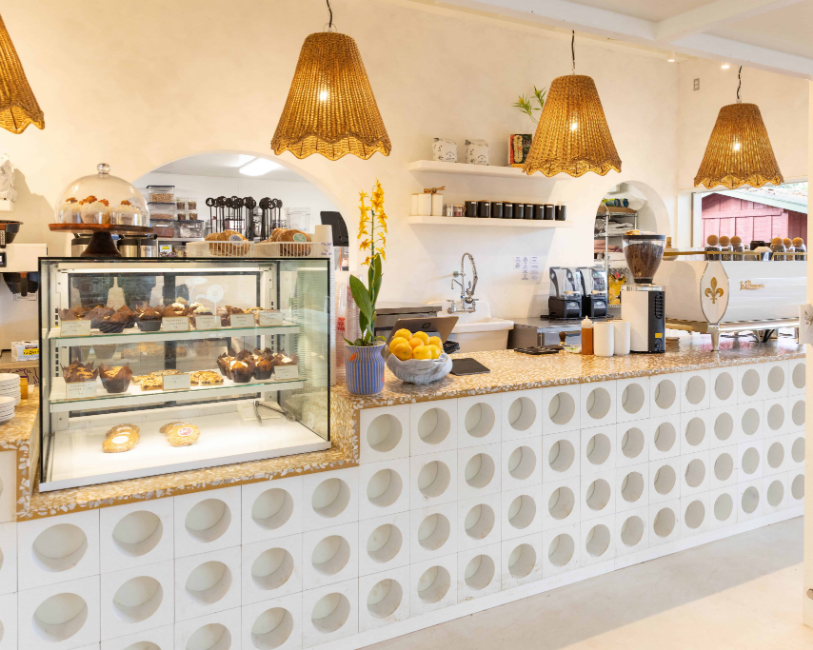
Coffee. Connection. Come On In!
People are very particular about their coffee and loyal to their cafés. Interior designer Christina Higham of Sun Soul Style Interiors is no different. Java Kai in Kauai has been her café of choice since before she lived in Hawaii. Now she’s designing the brand’s third iteration in historic Koloa Town. More than just a coffee shop, it’s a community gathering spot that welcomes you in.
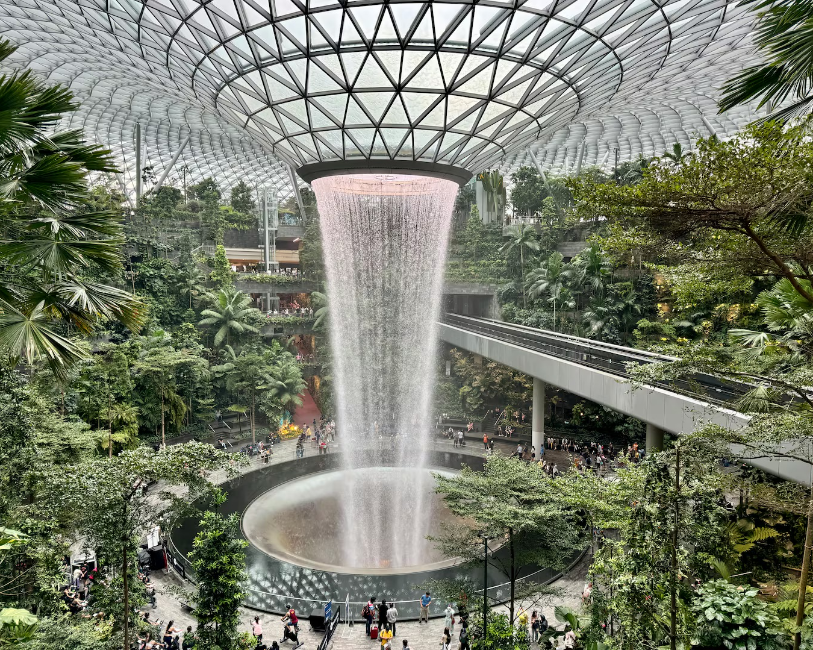
The Airport That Is the Destination
Delayed flight? At Singapore's Changi Airport, that's a bonus. At Changi layovers into bucket-list experiences with Jewel, a complex designed by Safdie Architects featuring the world's tallest indoor waterfall, gardens, art, and shopping. Massive renovations have refreshed existing terminals, and Terminal 5—a city-sized expansion designed by Heatherwick Studio with KPF—is set to open in the mid-2030s.


Five Questions With Lindsey Scannapieco
Adaptive reuse isn't just Lindsey Scannapieco's specialty; it's actually her philosophy. The founder and managing partner of Philadelphia-based Scout transformed the city's former Bok Building into the thriving Village of Industry and Art (VIA), now a hub for artists, entrepreneurs, and community organizations. As Scout brings the Sounds of Philadelphia installationto VIA this summer, Lindsey reflects on success, creative community, and finding joy in everyday moments.

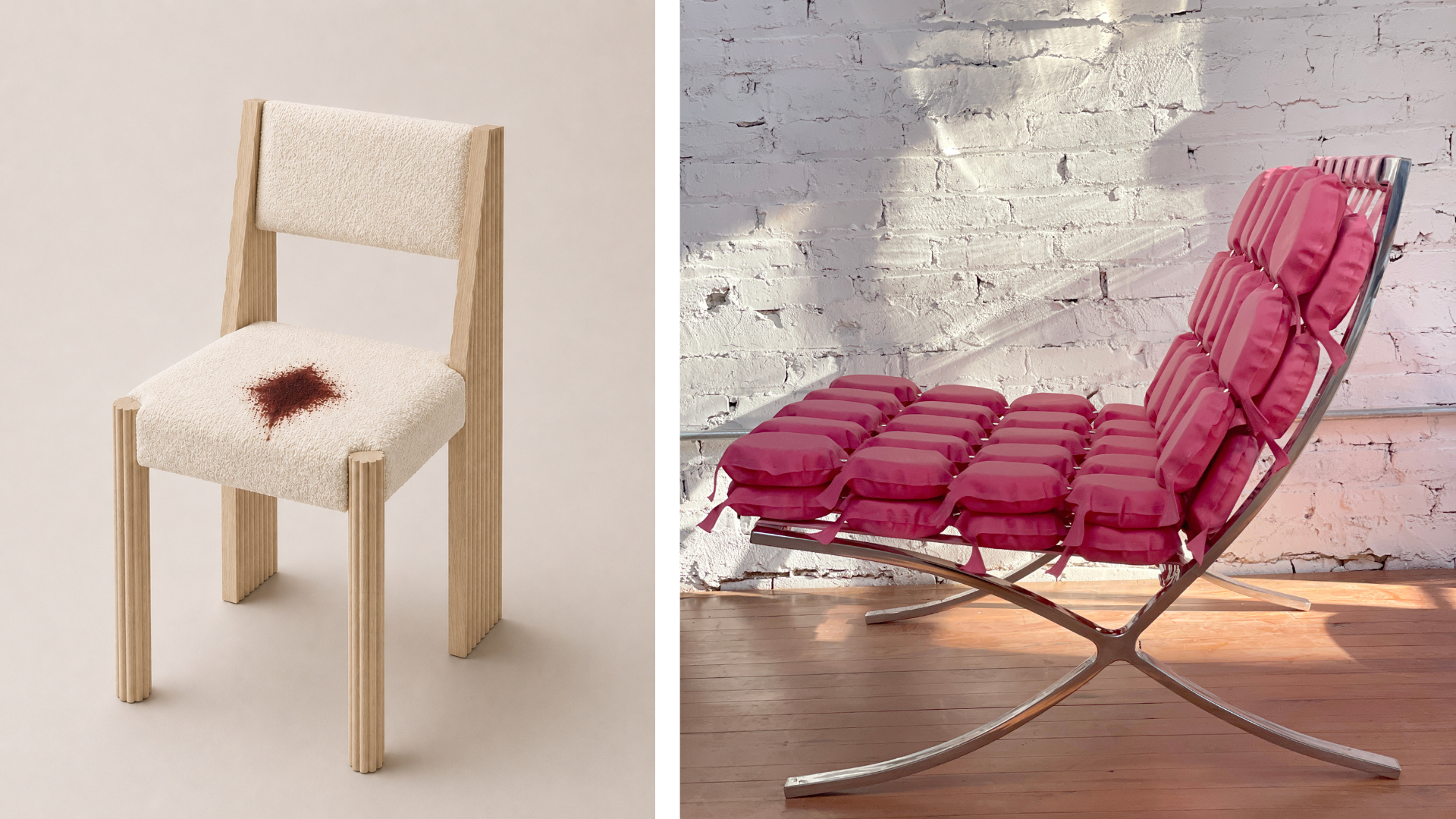
Period Piece by Peg Woodworking; Loud and Proud by Joey Zeledon x Martelle Esposito
Standing Up and Speaking Out With Chair Design
Take a stand, and make a difference. That’s the idea behind Don’t Sit On Me, the latest group exhibition at the Hudson Valley design store/gallery Available Items. Design industry veterans Kristin Coleman and Chad Phillips founded this business in 2022 as a place to champion contemporary design. And they’re not afraid of making a statement. Featuring 13 chair designs that confront injustice, this protest show runs through August 2 with a portion of the proceeds benefiting Human Rights Watch.

Don’t Sit on Me flag by Shawn Carney

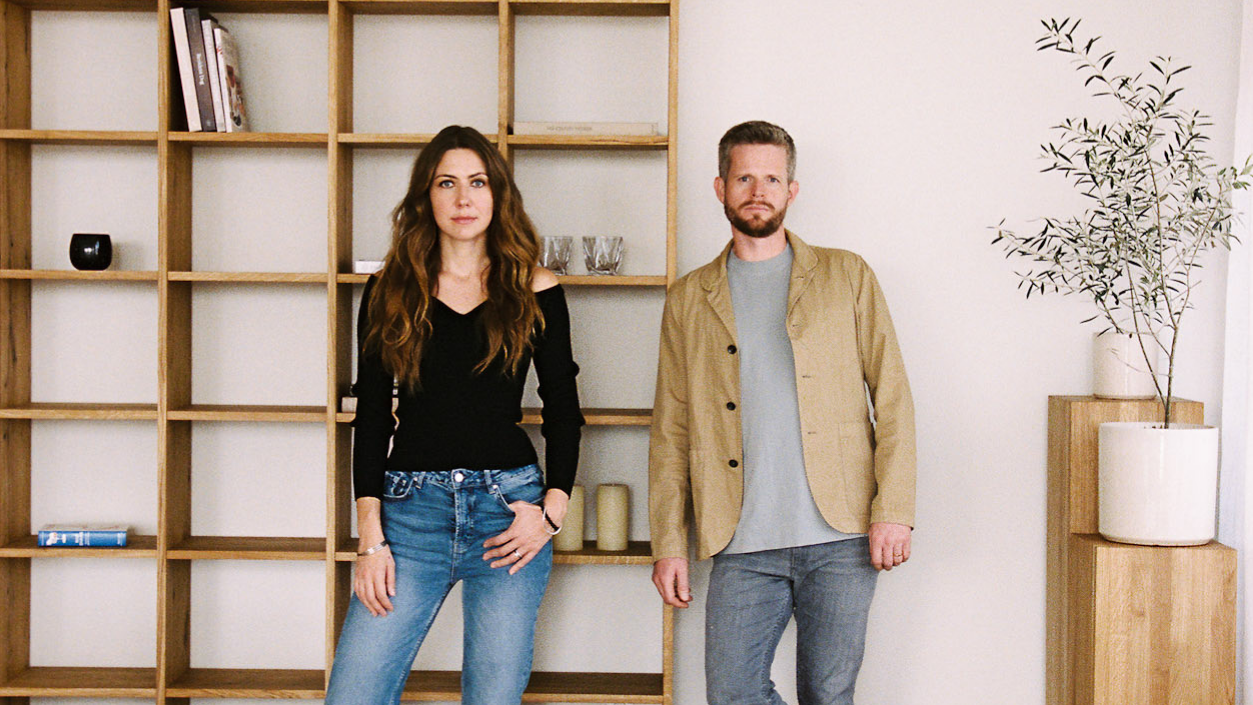
How Erika & Liam Hardman Design Through Disruption
From supply chain disruptions to global conflict, Erika and Liam Hardman share how resilience, craftsmanship, and a long-term mindset have shaped the next chapter of their furniture-making business, Hardman Design.

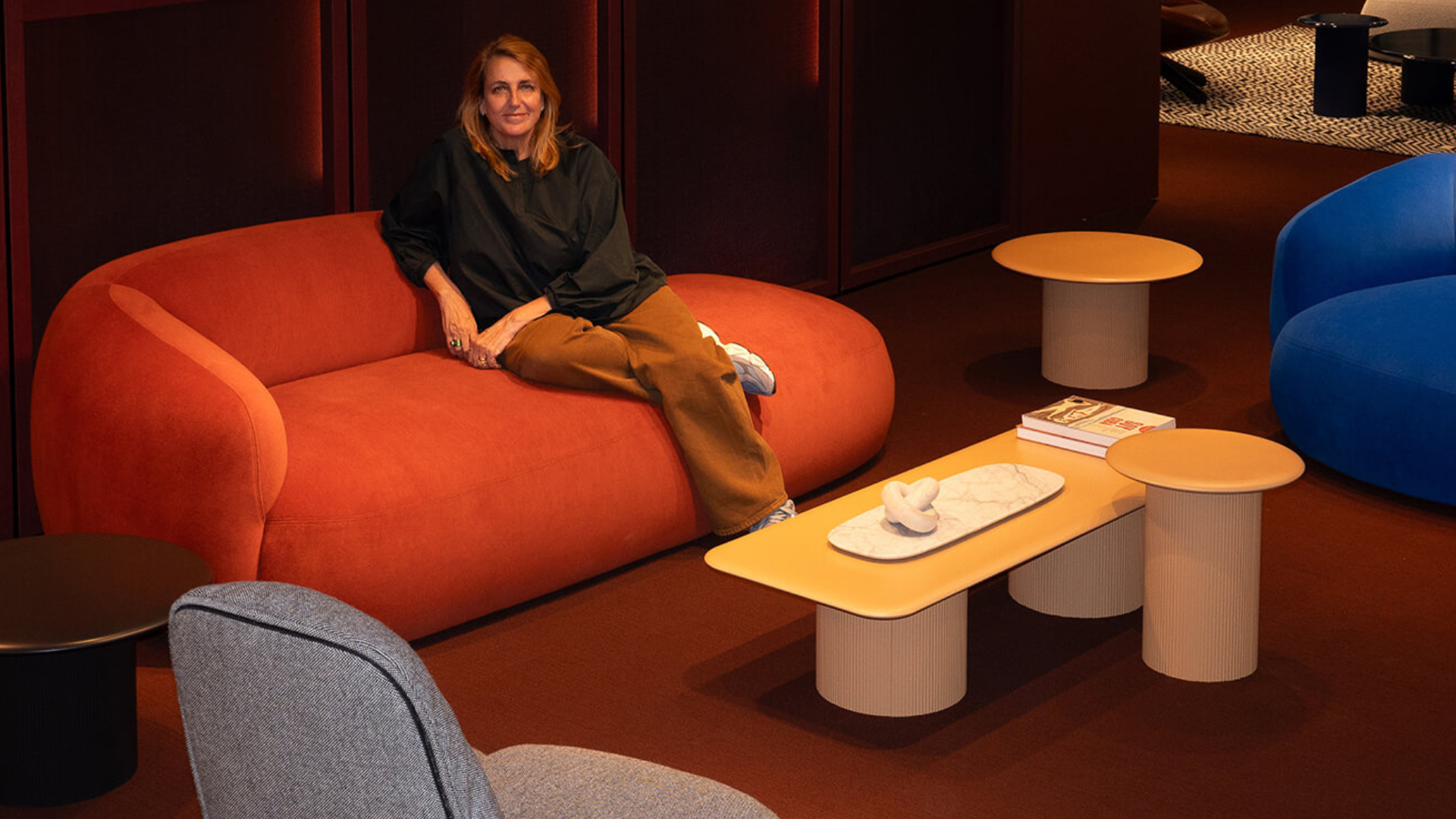
Haworth Sosu Collection, designed by Patricia Urquiola
Lounge Culture: 6 Rockstar Sofas for Offices and Beyond
Every mighty commercial space needs equally fabulous lounge seating for collaboration, relaxation, and human connection. Six manufacturers—Bernhardt, Viccarbe, Andreu World, Favaretto, HBF, and Haworth—debut sofas with loads of personality that get the job done.
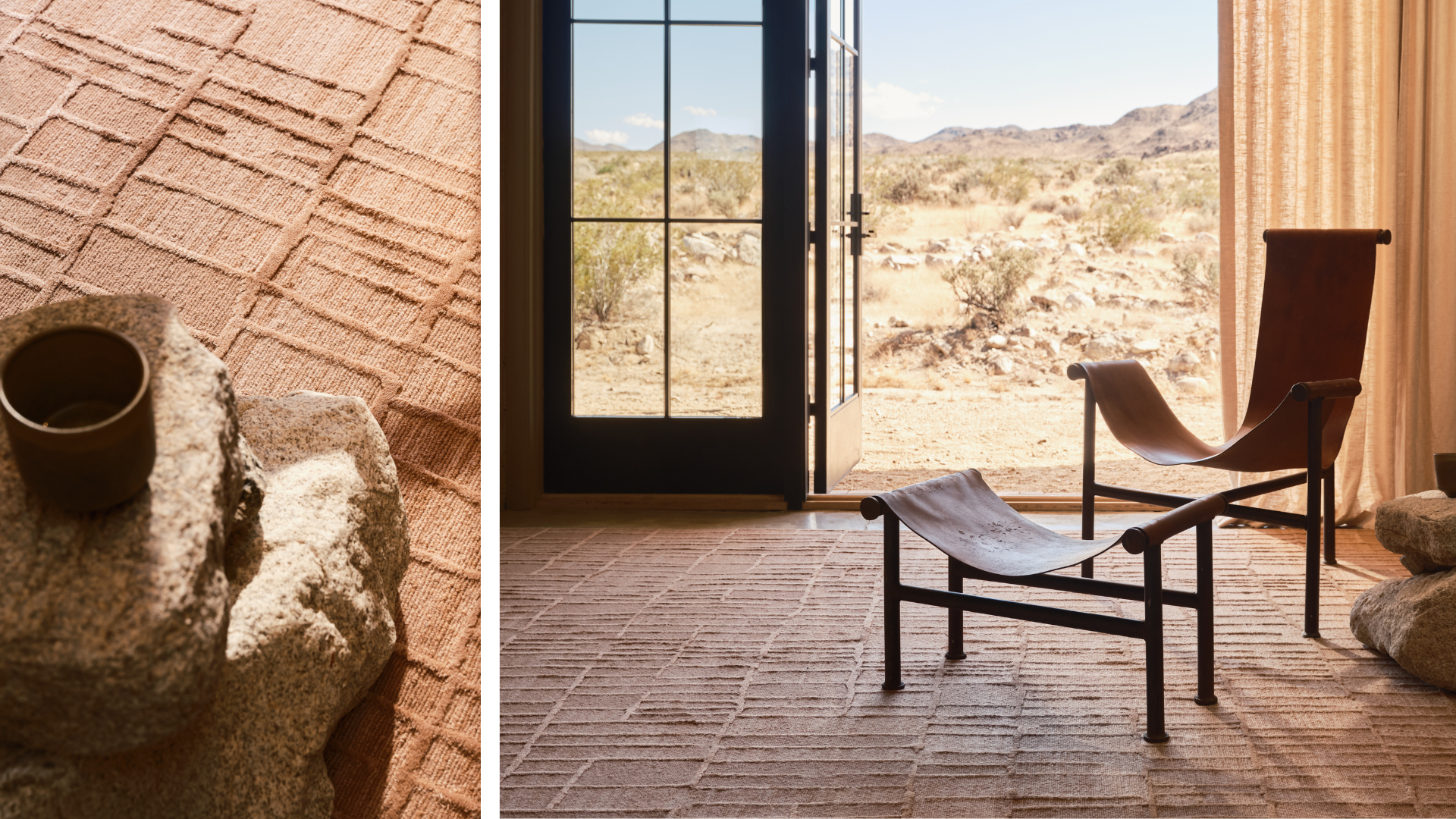
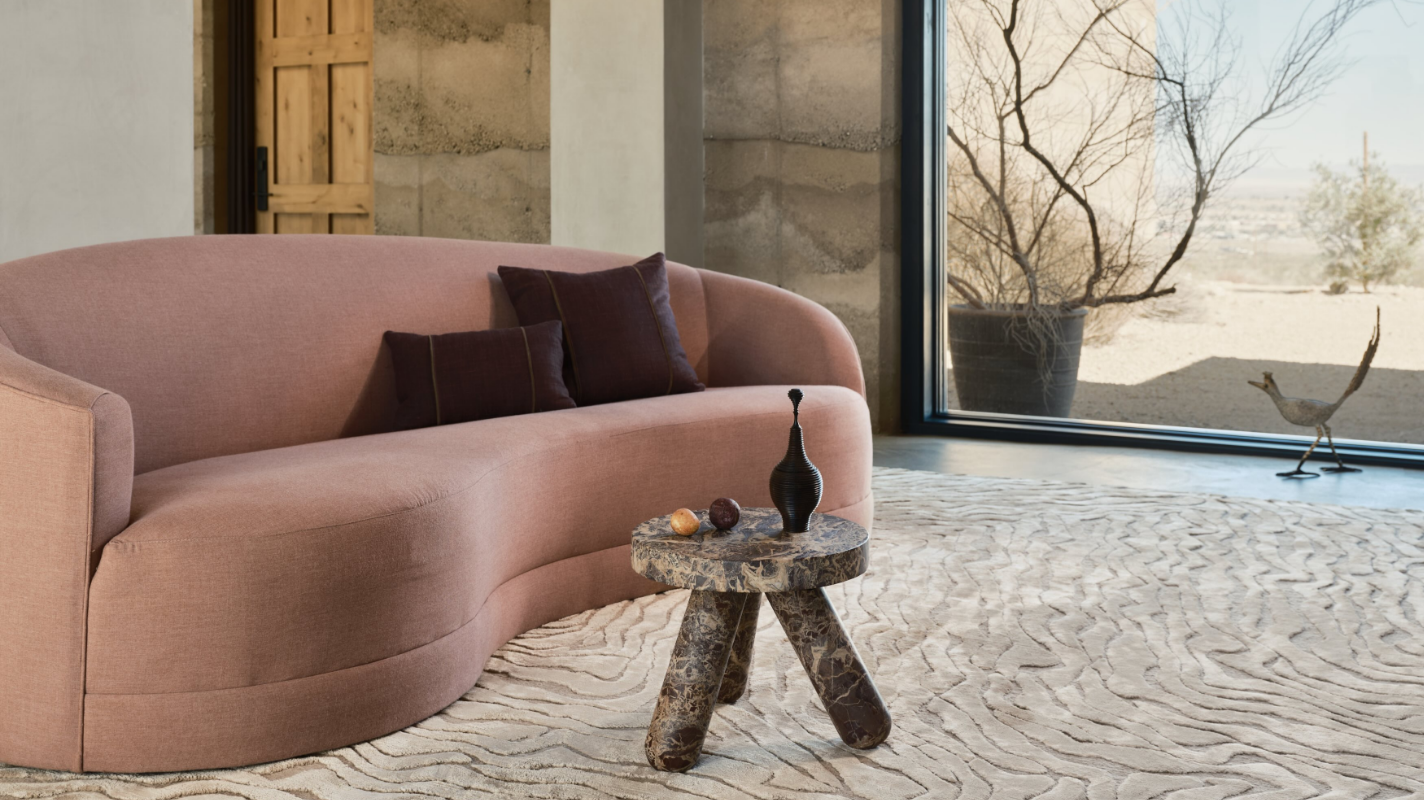
Sierra Collection, Juniper I in Madder (top) | Tundra in Clay (above)
Mountain- Inspired Magic Underfoot
Ever wanted to incorporate the rugged grandeur of a mountain range into a chic commercial setting? Tai Ping has done just that. The brand’s stunning new Sierra collection brings the snow-capped peaks and windswept plains of the Sierra Nevada into interior environments. Think gorgeous, hand-knotted wool-and-silk rugs in earthy lithic hues like smoke and sunlit gold. Even better? Natural variations in color are embraced, meaning zero factory-made monotony.

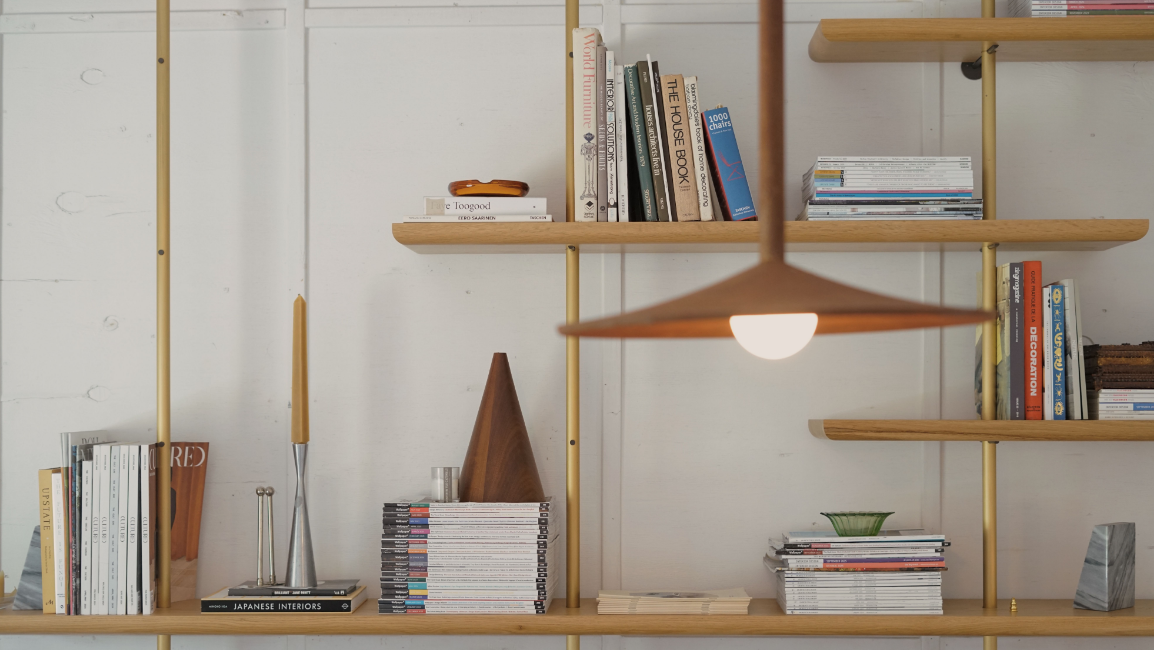
Coil + Drift Celebrates a Decade of Dancing With Light
After a decade of creating modern lighting and furnishings, Coil + Drift enters the commercial market. Company founder John Sorensen-Jolink tells us why.
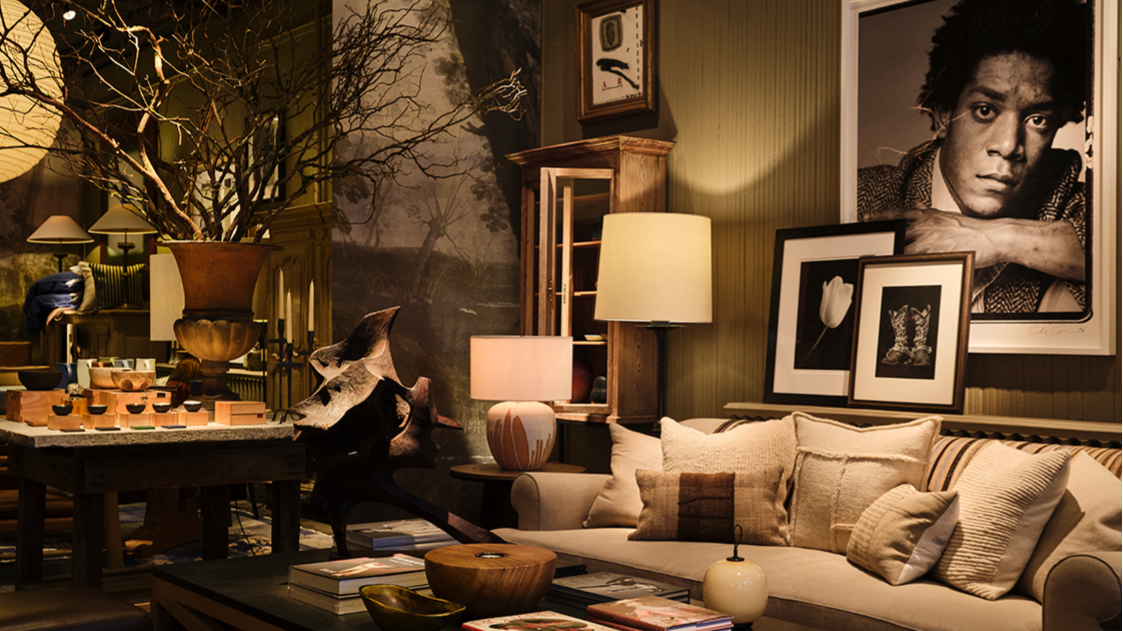
Welcome to Alfredo Paredes' Emerald City
The Wizard behind Ralph Lauren retail stores goes solo. Alfredo Paredes opened his first-ever standalone boutque in Hudson, N.Y., equal parts home, gallery, and design destination.
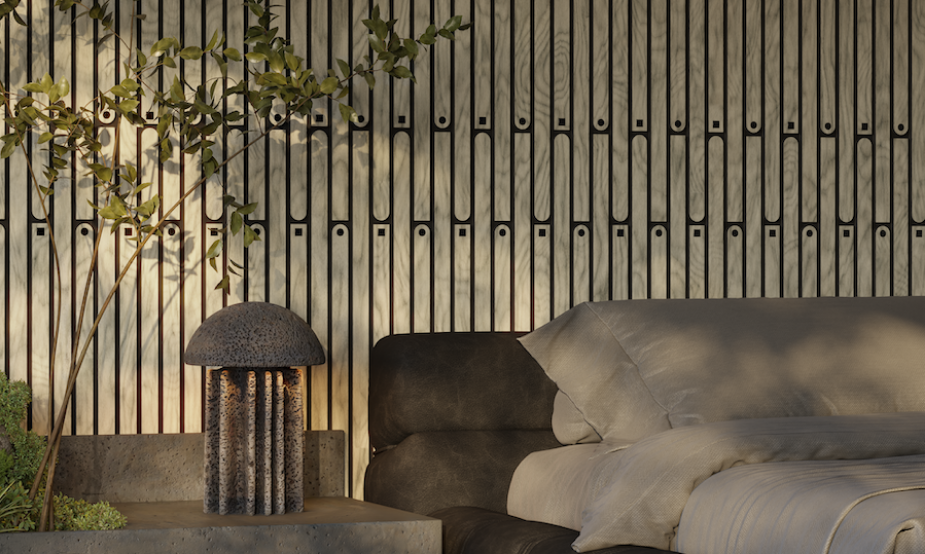
ALMA Offers Acoustical Relief with Mexican Soul
An antidote for a noisy world, Alfonso Verduzcoa's wall panels for WVH reference the designer's Mexican heritage and ancestral raw materials.
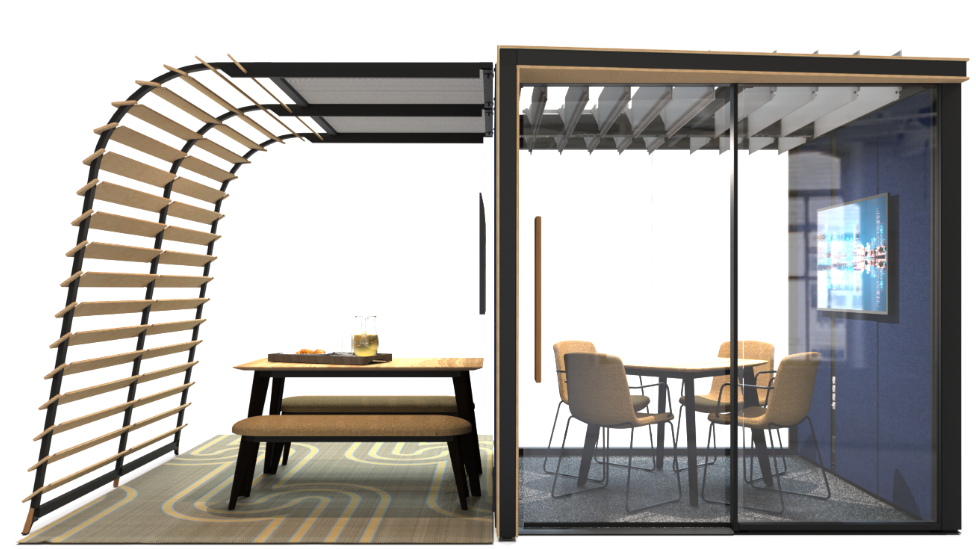
5 Furniture Picks for a Demographic You Shouldn't Ignore
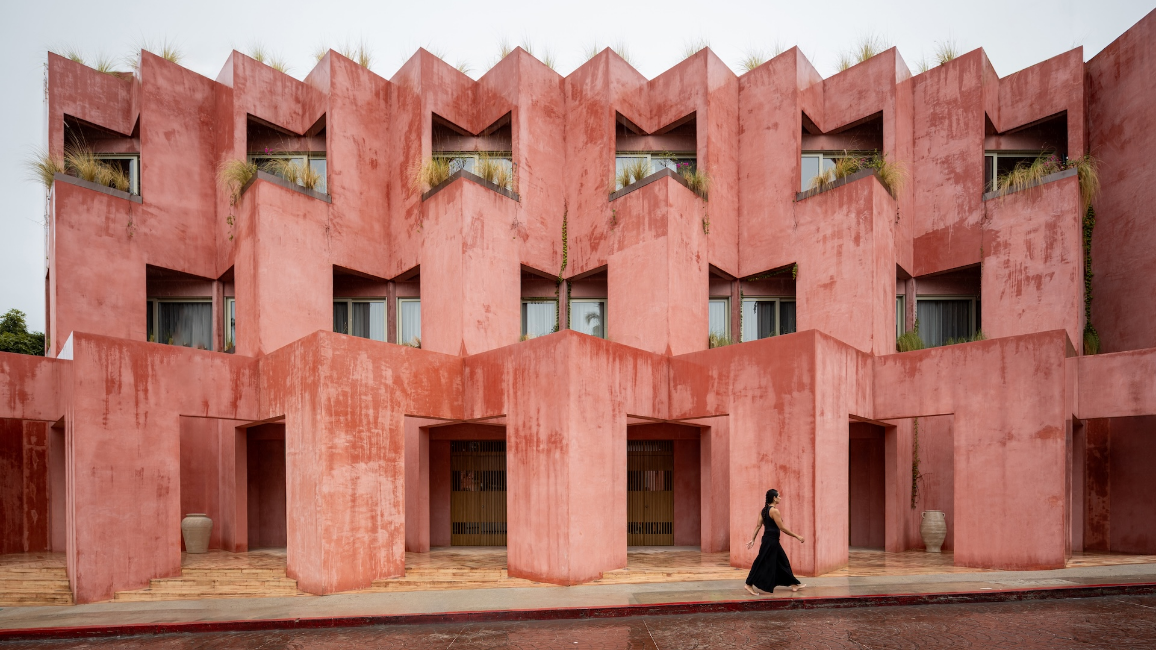
See Geometry at Play at This Mexican Boutique Hotel
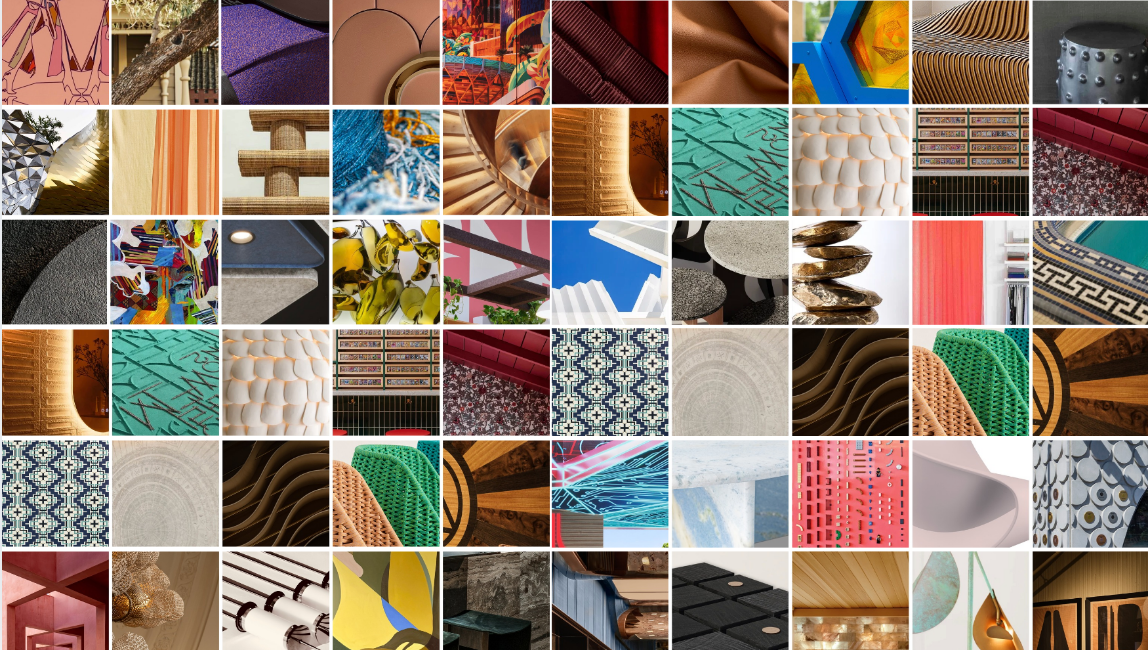
A Last Word For Now From Our Founding Editor | 7.28.26
EDITORIAL DISCLOSURE: The Comm Sheet is made possible through outside financial support and is not self-funded.
*All editorial decisions regarding content are developed independently by the Editorial Director.*
Join our community!
You have successfully signed up for The Comm Sheet newsletter.


The Comm Sheet celebrates the commercial design world while sparking community connection. Our twice-monthly newsletter delivers bite-size content—including insights from top designers; spotlights on new projects and innovative products; and deep dives into topics like neurodiversity, inclusivity, environmental sustainability, and democratization in design—all in a sharp, lively, easily digestible format.