NYC Historic Church Is Reimagined as an Interactive Museum Playland
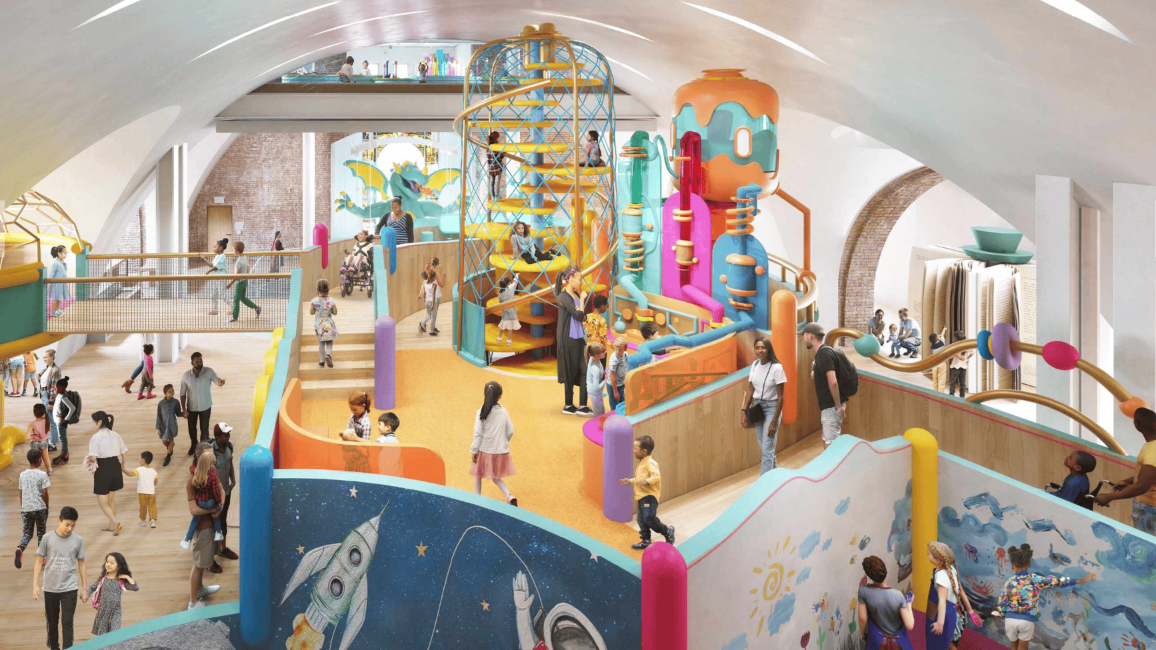
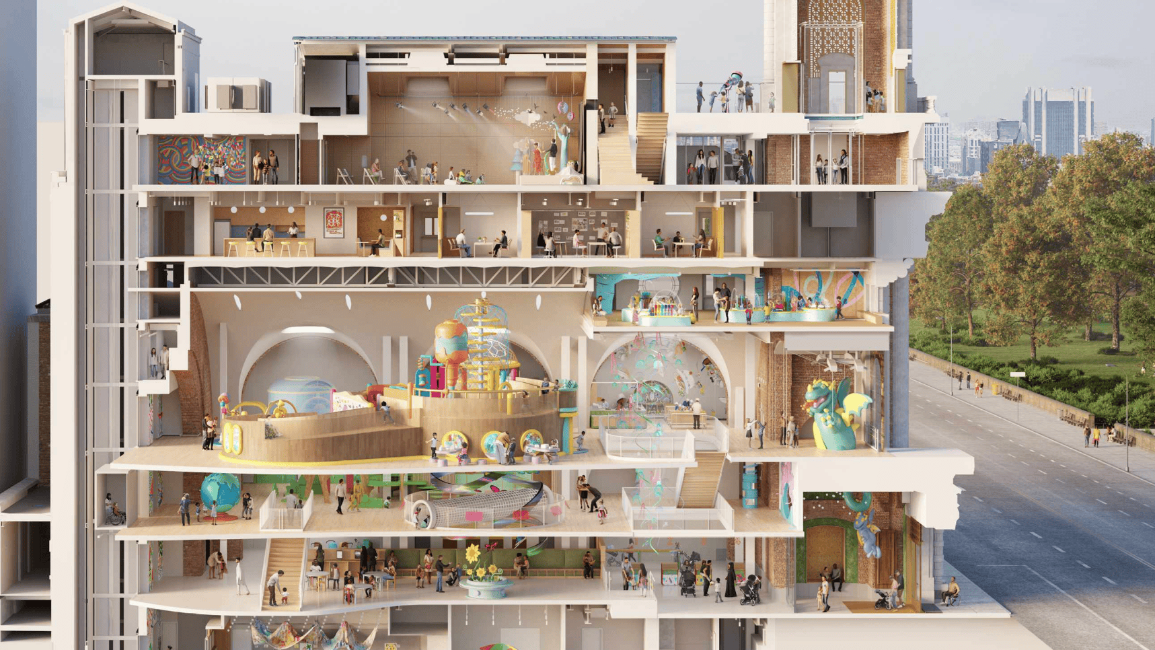
Not every museum starts with stained glass and soaring vaults. But that’s actually the exact setting for the new Children’s Museum of Manhattan. Designed by FXCollaborative, the project transforms the historic First Church of Christ, Scientist at 361 Central Park West into a vertical playground for curiosity, creativity, and hands-on learning.
The adaptive-reuse approach is central to the vision. Rather than wiping the slate clean, FXCollaborative leans into the building’s history, carefully inserting new floors, circulation, and exhibit spaces into the grand existing volume. The result is a layered experience where kids and caregivers alike can feel the dialogue between past and present.
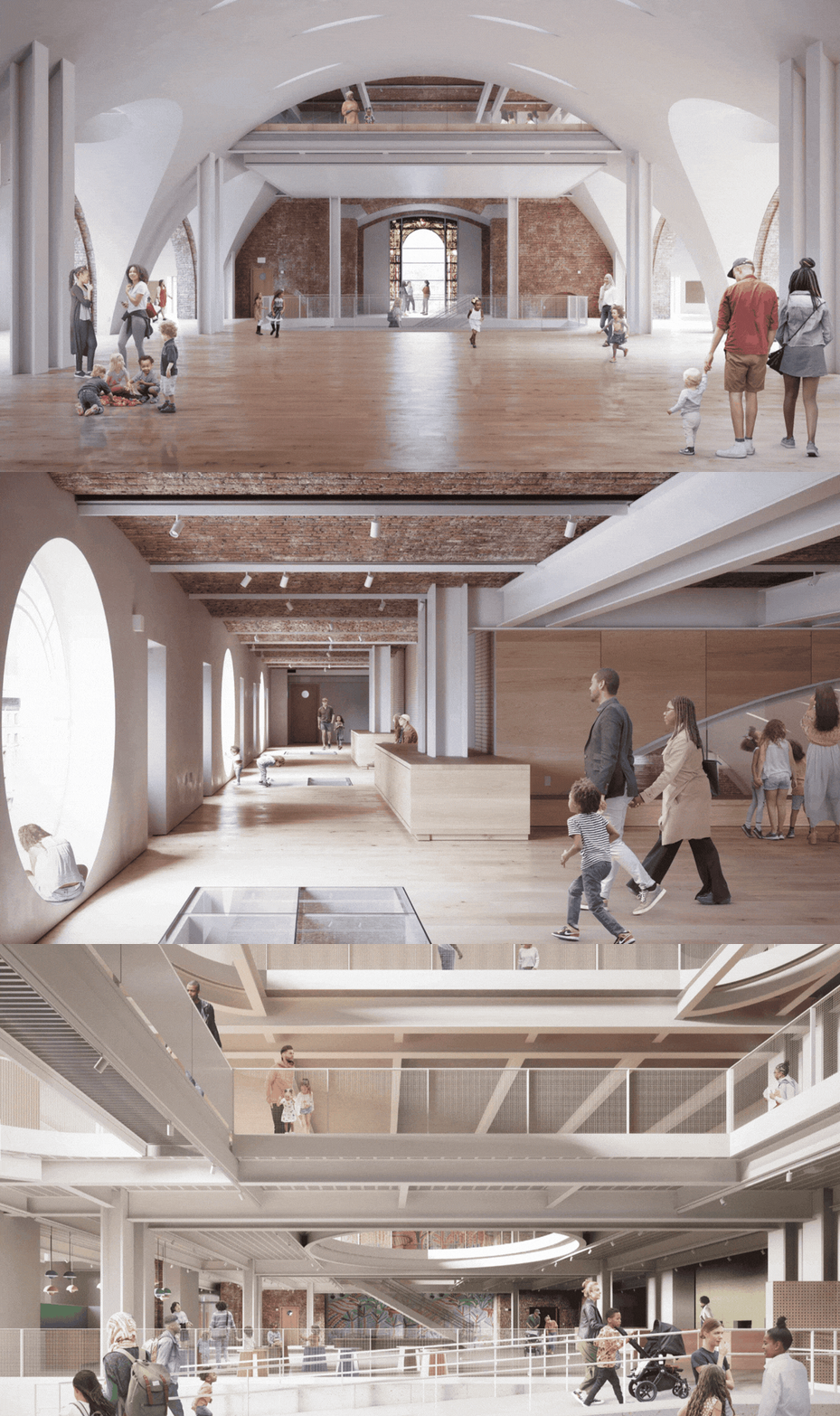
“As we bring new life to a neglected landmark, we balance the desire to honor, expose, and converse with this historic building to create something new,” FXCollaborative partner emerita Sylvia Smith shared in a statement. “The Children’s Museum of Manhattan will come alive through the intermixing of the new and vital with the historic and venerated.”
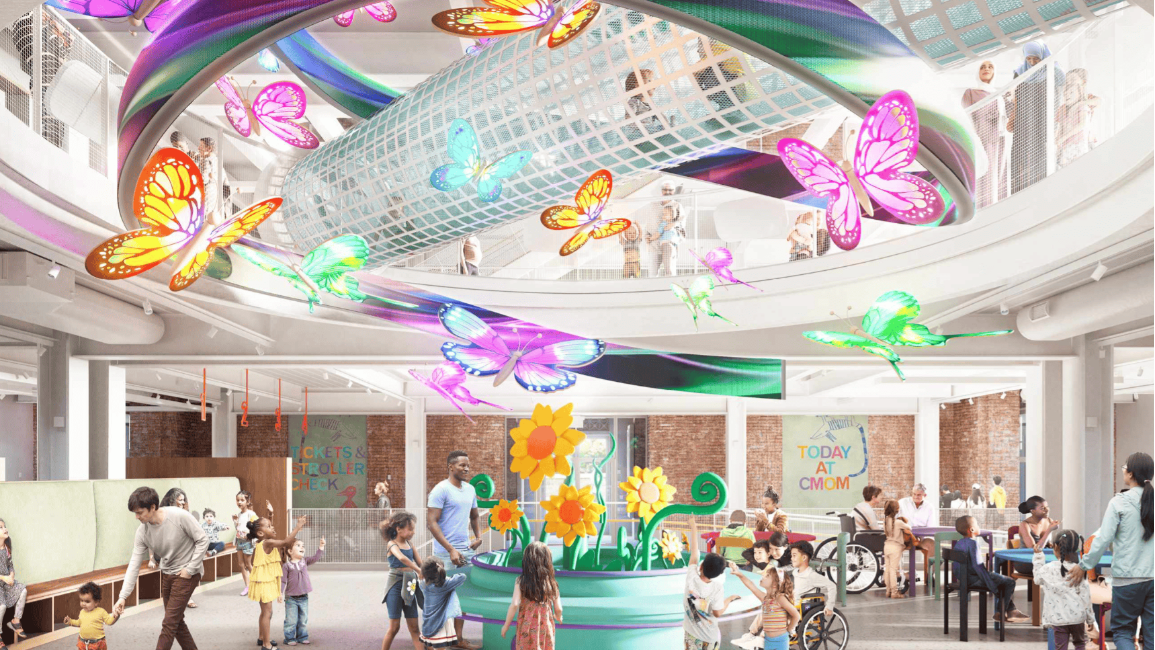
That philosophy plays out across all seven planned floors. The 80,000-square-foot museum will feature immersive, research-based exhibits, creative studios, performance and gathering spaces, and sweeping views over Central Park. The goal: expand CMOM’s reach, double its visitor capacity, and serve children up to age 10 with deeper, more interactive learning environments.
And the building isn’t just a backdrop; it’s a work of art designed to be experienced, studied, and explored. “We were impressed with FXCollaborative's initial thinking about the marriage of our program with a distinctive landmark building,” says Andy Ackerman, executive director, Children's Museum of Manhattan. "In addition to providing us with more space, 361 Central Park West will serve as an extraordinary teaching tool to introduce children to the art of architecture.”
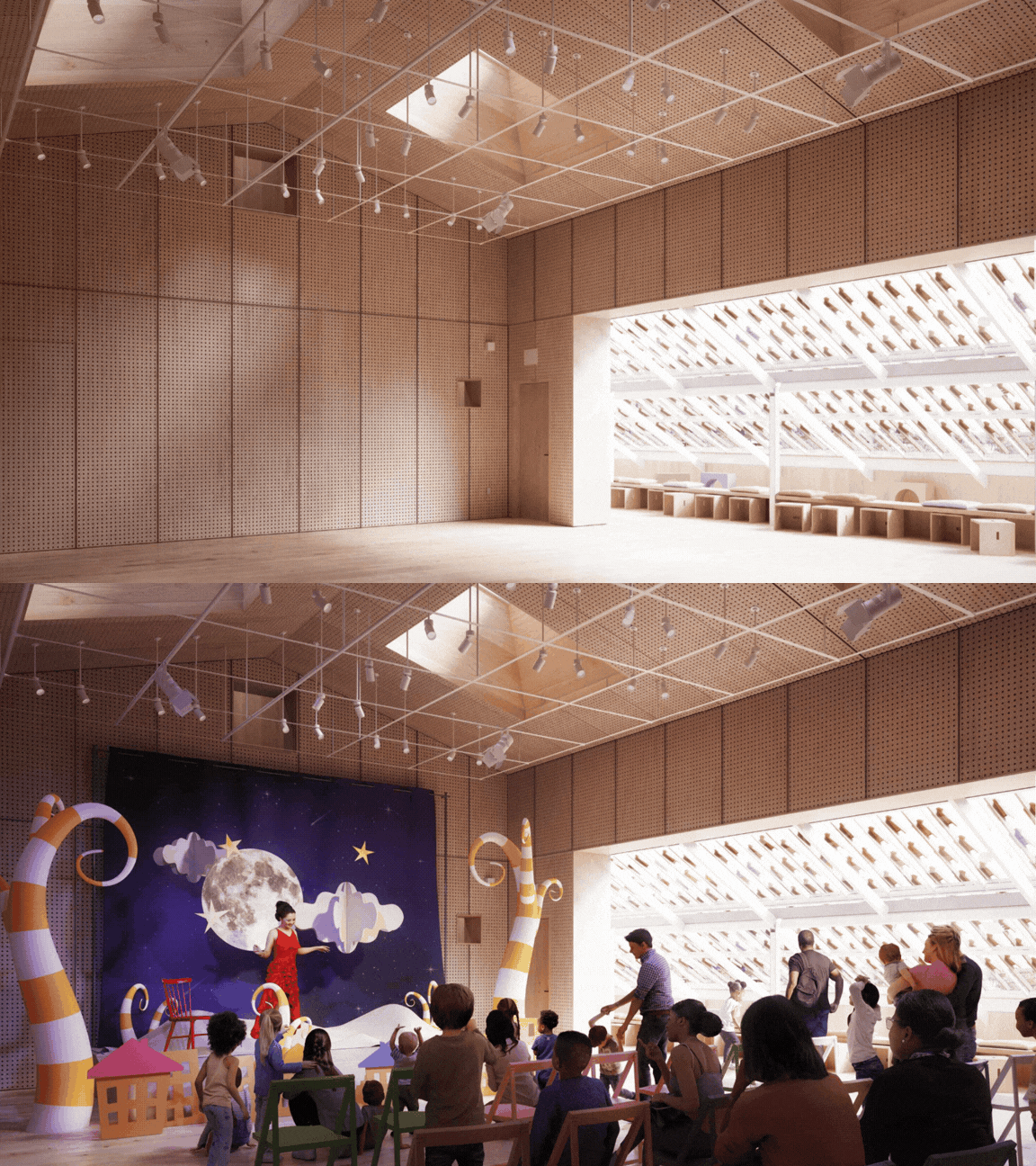
Set to open in 2028, the project is part of a major capital campaign and represents something rare in New York City: a chance to reimagine a beloved landmark, not as a monument to the past, but as a living, breathing space designed entirely around the future—and the kids who will shape it.
If you ask us, this exemplifies adaptive reuse at its most joyful. And we’re already counting down until the new CMOM opens.
—Murrye Bernard