A Vintage Naples Vacay Spot Gets a Four Seasons Makeover
By Diana Mosher | Photography by Joe Thomas
Golf, beach, or a relaxing spa treatment? Everyone has different vacation priorities. That’s why it’s as stressful to plan a family trip as a romantic getaway. But the newly reimagined Naples Beach Club, now a Four Seasons resort with private residences, makes it easy to get everyone on the same page. Hart Howerton’s master plan, architecture, and landscape design, plus gorgeous interiors by Champalimaud Design, have delivered a fresh interpretation of this storied waterfront gem, originally opened by the Watkins family in 1946.
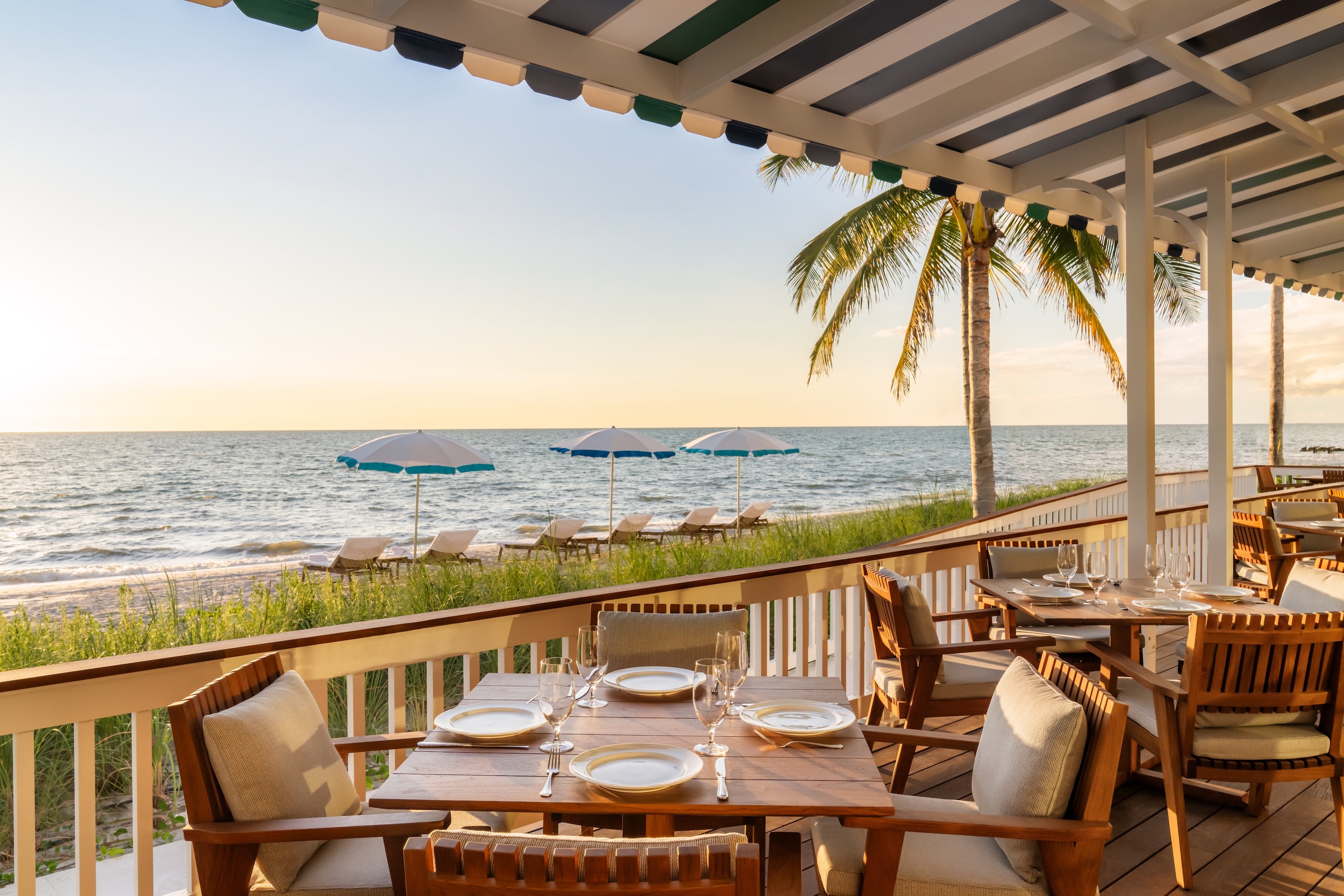
Many generations have enjoyed beachfront food, drink, and celebrations under this beach club’s signature striped awnings. Preserving that Old Florida ambiance (while making sure visitors can crank up the AC and connect to WiFi, if they want to) was super important when The Athens Group and BDT & MSD Partners bought the property in 2021. Now, vintage and luxe elements riff off each other everywhere you go on the 152-acre site. It’s definitely the spot to kick back with a cold drink and catch that heavenly Gulf Coast breeze.
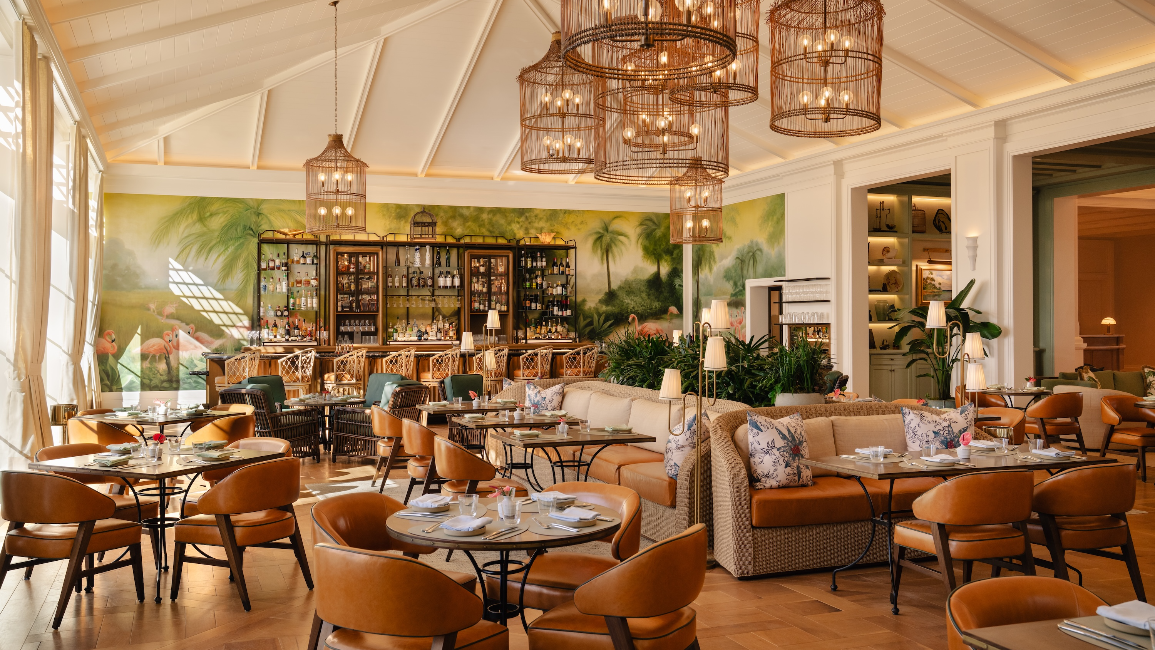
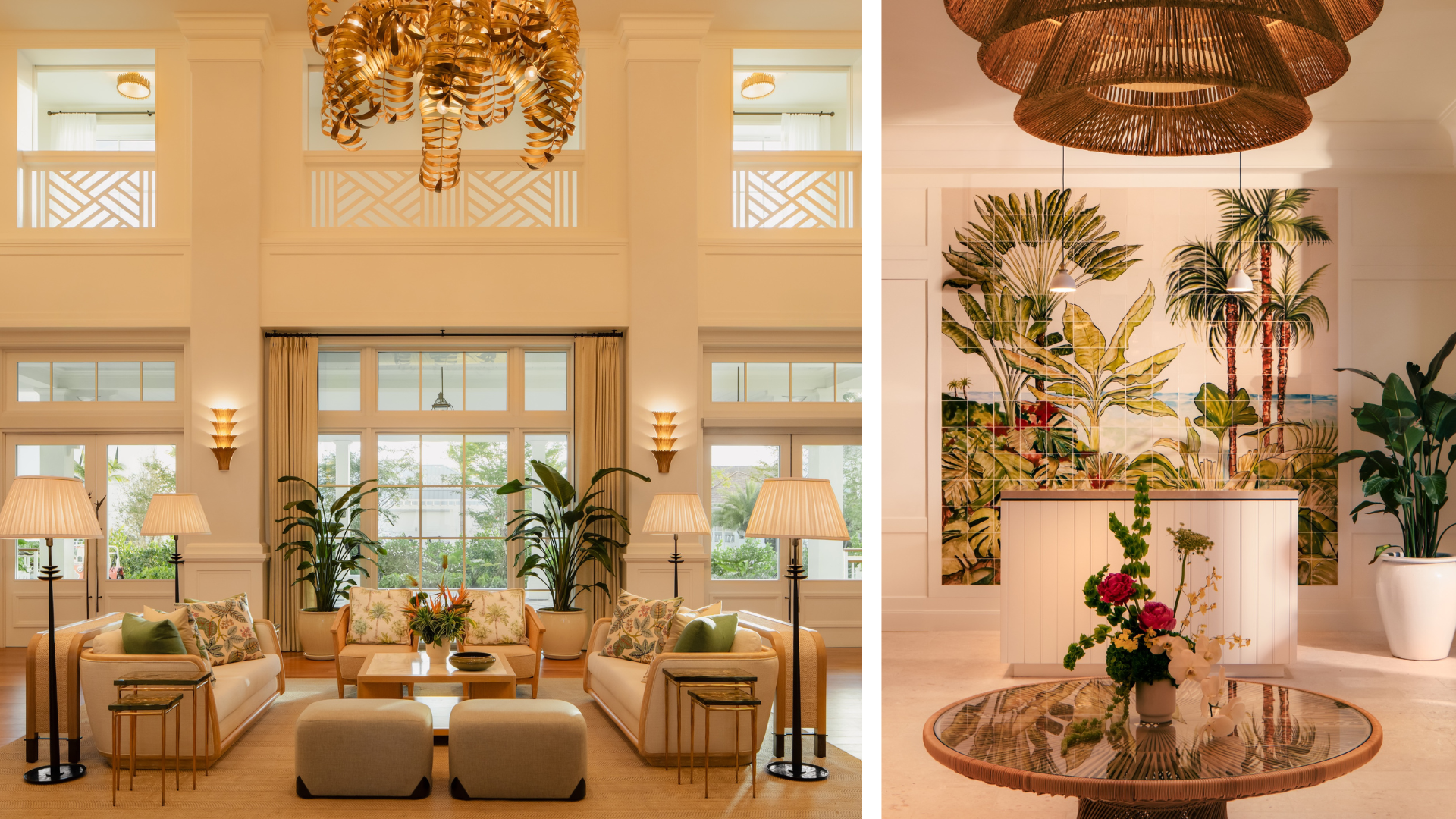
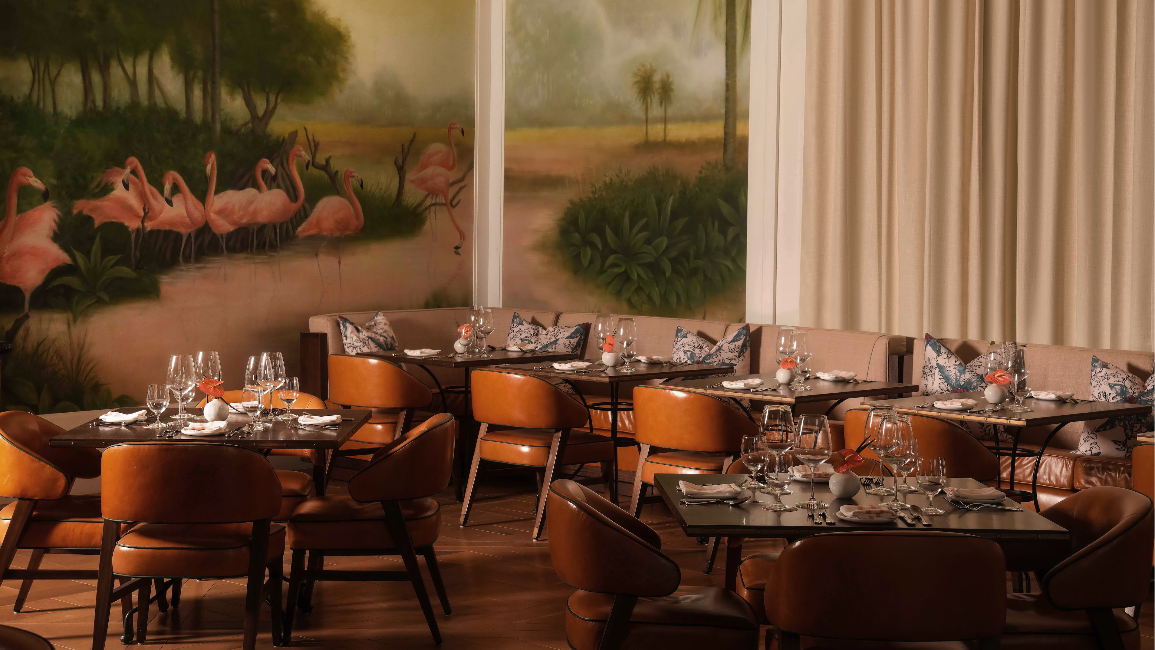
“We wanted the spaces to feel airy, layered, and elegant without becoming overly formal,” says Ed Bako, partner & CEO, Champalimaud Design. The interior design draws from classic beach clubs, historic Florida homes, and coastal living for a timeless aesthetic that feels just like Naples.
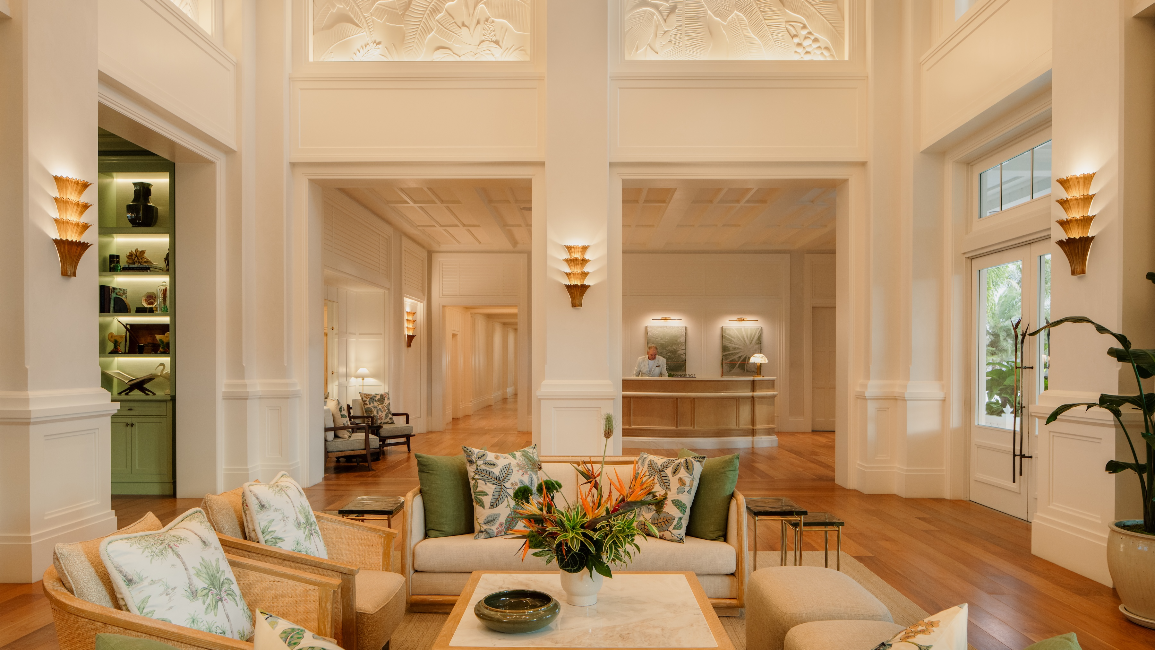
“White paneled millwork, custom moldings, and cerused oak flooring create a sense of familiarity and craftsmanship, while natural stone surfaces and tailored detailing introduce refinement,” Ed says. The overall atmosphere is light-filled, understated, and intentionally relaxed. “Every design decision, from the architectural detailing to the material palette, was intended to reinforce a sense of relaxed sophistication and effortless comfort,” he adds.
The Hart Howerton team was just as inspired by the local vernacular. “We referenced iconic design elements like clapboard, board-and-batten, and deep roof overhangs when masterplanning a collection of buildings intended to echo the way the property had been developed over generations,” says Timothy McCarthy, partner, managing principal, Hart Howerton.
The resort is arranged in a C-shape with inland buildings set back to preserve views, and a Coconut Connector pedestrian path links the beach to the golf course and other amenities. Hart Howerton used cast-in-place concrete as the primary structural system for resilience against the elements. Stucco applied over masonry was detailed to reference clapboard.
“We pressed shells into the stucco to further anchor the architecture to the soft sands of Gulf beaches,” Timothy adds. Best of all, the signature striped awnings—now color-matched to historic references—have made the final cut. ⬥