Flexible Classroom Design Matters, Says Occupational Therapist
By Alicia Springer, M.Ed.
In this series from Artcobell, a leader in classroom furniture for 60 years, we review strategies for designing classrooms that are effective for all learners from the perspectives of various stakeholders, including educators, designers, and therapists. In part one, an educator shared how basic design principles can benefit all learners.
Here in part two, we’re speaking with occupational therapist Rana Alcocer. The following article has been adapted and condensed from the original article. Also, read part 3, which includes input from a speech-language pathologist.
Insight for Stakeholders
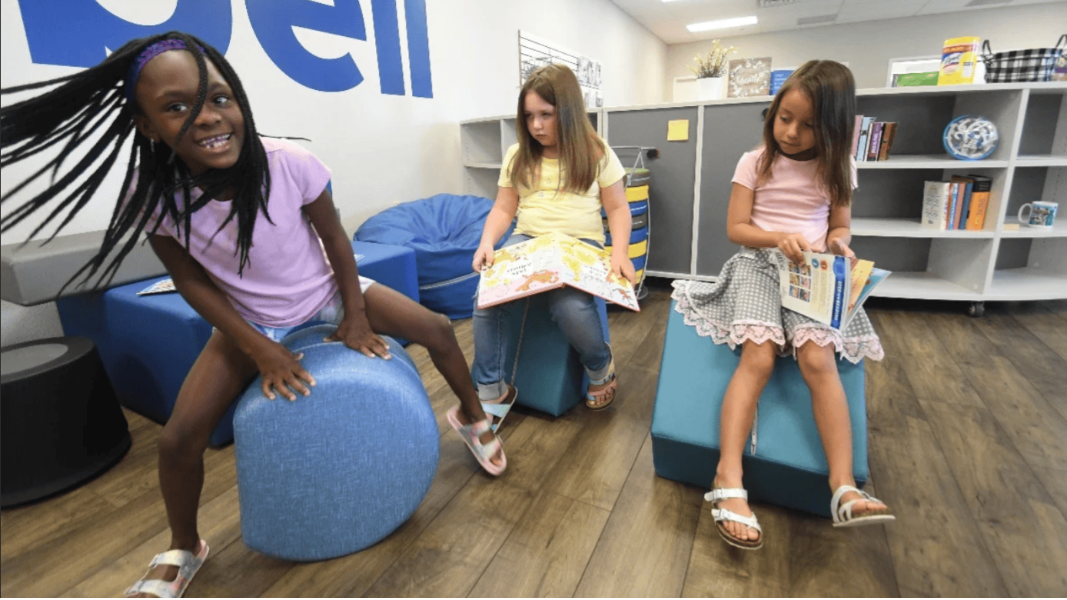
With 25 years of working with children with functional needs in the classroom, Rana is an expert in challenges faced by those with sensory processing disorder (SPD), those who can be under-responsive or over-responsive to sensory input. “We can use our understanding of interventions for kids with SPD to help designers create more inclusive environments for all students,” she says.
Unique Challenges = Essential Principles
Children with SPD often have physical health issues—like low muscle tone, decreased strength, poor posture, and poor endurance—that complicate sensory input. “All of this means that their visual [abilities are] their strength,” Rana explains, “but they're having to use that so much throughout the day that their vision fatigues, and they lose their strength.”
Visual accommodation—the coordination of the eyes for near (desktop) and far (teacher) point vision—requires control of the muscles that manage eye movement and eyelid position. For those with low muscle tone, the bombardment of visual information paired with constant visual accommodation leads to visual fatigue. When the eyes can’t focus and fixate, it mirrors symptoms of attention deficit. As the day goes on, it becomes difficult for students to focus long enough to initiate or complete tasks.
This is where proper seating and movement can help. Even micro-movements of the pelvis and trunk stimulate muscle control needed for upright posture, writing, and ocular-motor control. Many students fidget, get up, or fall out of their chairs in attempts to maintain attention. Set to average height, desks and chairs don't fit most children.
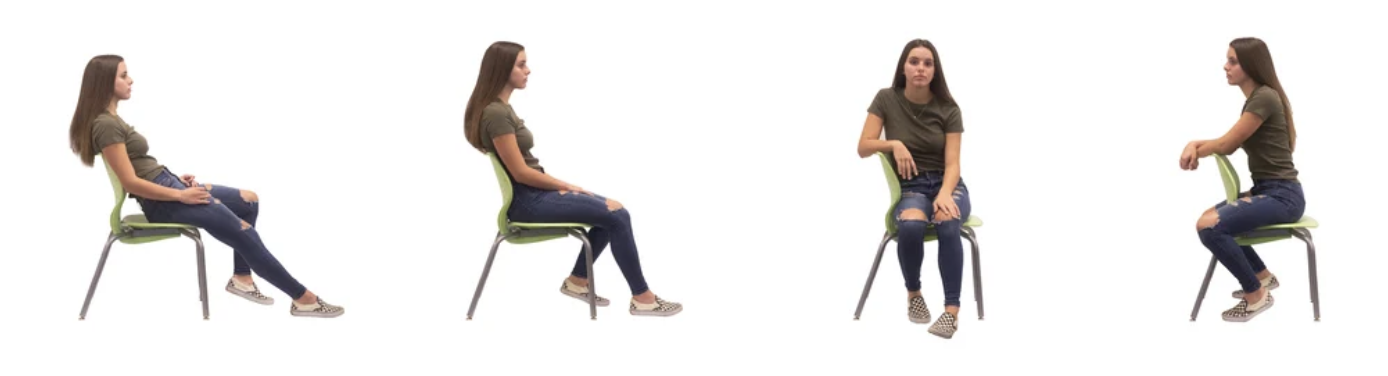
“Ideally, each student should be in a ‘90, 90, 90’ [position] during seated activities: 90-degree flexion of hip, knee, and ankle,” Rana says. “I have spent hours adjusting chairs and desks to fit students properly, but that doesn't work when students transition to other areas.”
We need to think about universal design versus universal height. This can mean:
Easily adjustable chairs and desks with desktops angled to promote wrist extension and reduce fatigue
Chairs that rock and rotate without full rotation
Sidearms and supportive shapes for secure seating during movement
Allowing micro-movements that stimulate postural control
Strategies mindful of poor motor planning and attention span can help all students, as all are prone to visual fatigue and waning attention during a long school day.
Designers Take Note
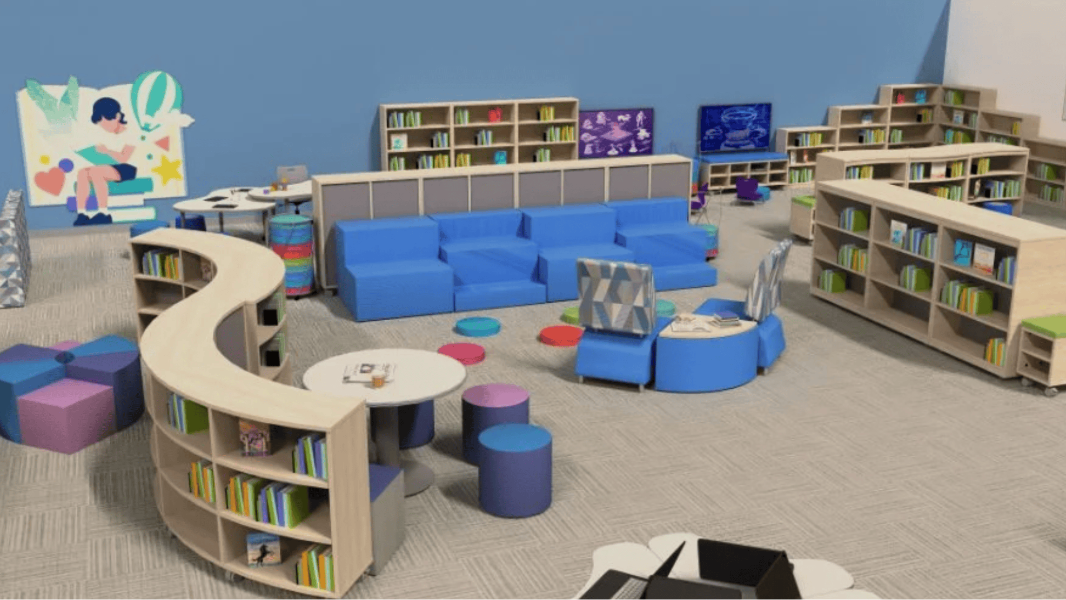
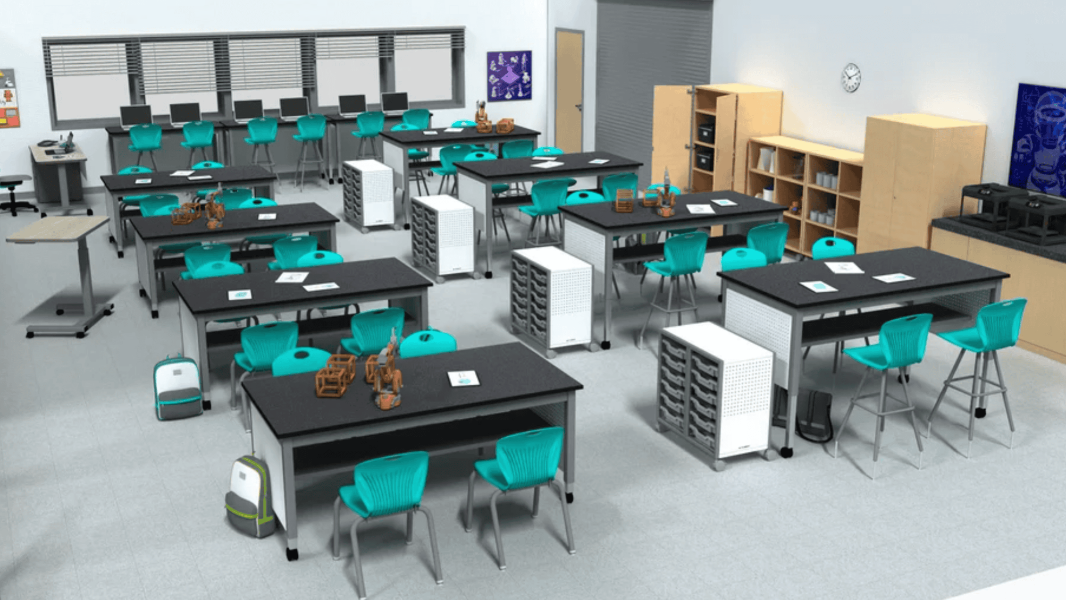
A flexible classroom environment is key—options that affect the visual, aural, and motor experience, plus strategies mindful of organizational challenges and personal space. Consider the following implementations:
Good ventilation and natural light
Improved lighting (blue/green filters, dimmers)
Better acoustics, intercom sound quality, and volume control
Study carrel desks balancing privacy with openness
Larger spaces with varied seating, floor-sitting, or standing desks
Out of the Box
Rana suggests product-level and classroom-level improvements, such as desks with built-in organization or seating devices that allow movement without distraction. Ultimately, a more eclectic classroom—with natural light, good acoustics, varied working styles, and respect for personal space—supports all learners.
Observing what works for kids with SPD reveals solutions rooted in basic human needs: approximating the outdoors, mitigating distractions, providing options for movement and stillness, and balancing closeness with personal space. Designing better classrooms requires ingenuity, but the rewards are well worth it.