Say Hi to Hyphyn Biodegradable Vinyl
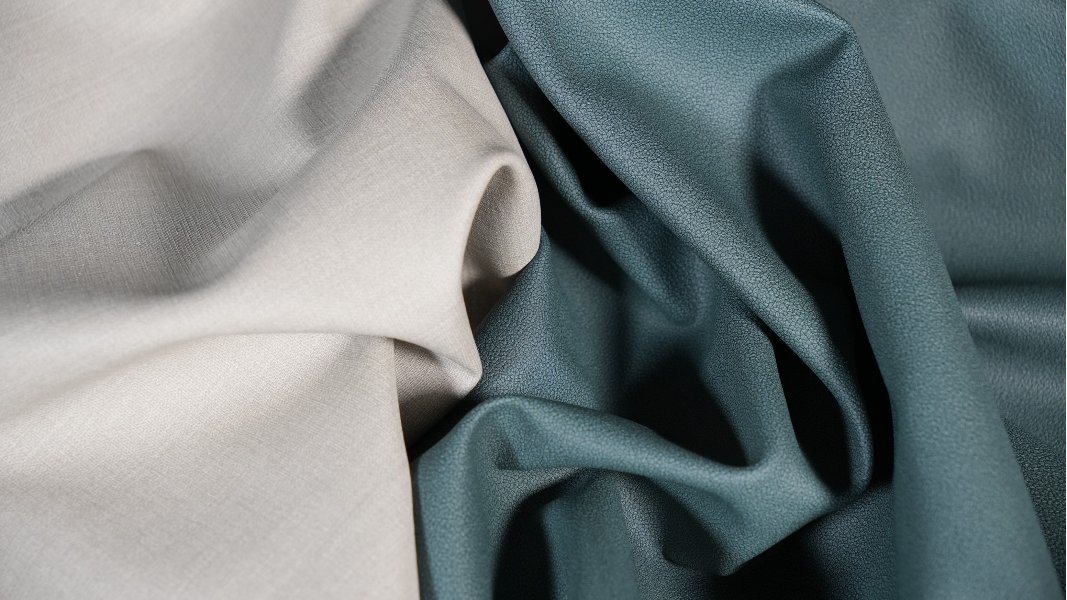
Somewhere along the well-intentioned journey to make performance textiles as tough as possible, things got off track. Textile innovator Nassimi hopes to right the ship with its latest introduction, Hyphyn, a biodegradable vinyl for commercial interiors from healthcare to hospitality. This is big news! Hyphyn’s performance is physically identical to conventional vinyl but without the environmental cost.
Under development by Nassimi for more than six years, Hyphyn fills a gap in the market for a stain-resistant, faux-leather, high-performance upholstery that doesn’t overstay its welcome. “There’s always been this tension between the performance that vinyl offers and the desire for sustainable, transparent materials,” says Nassimi’s executive vice president Iwan Nassimi. “Hyphyn is a response to what the industry needed but didn’t necessarily know was possible.”
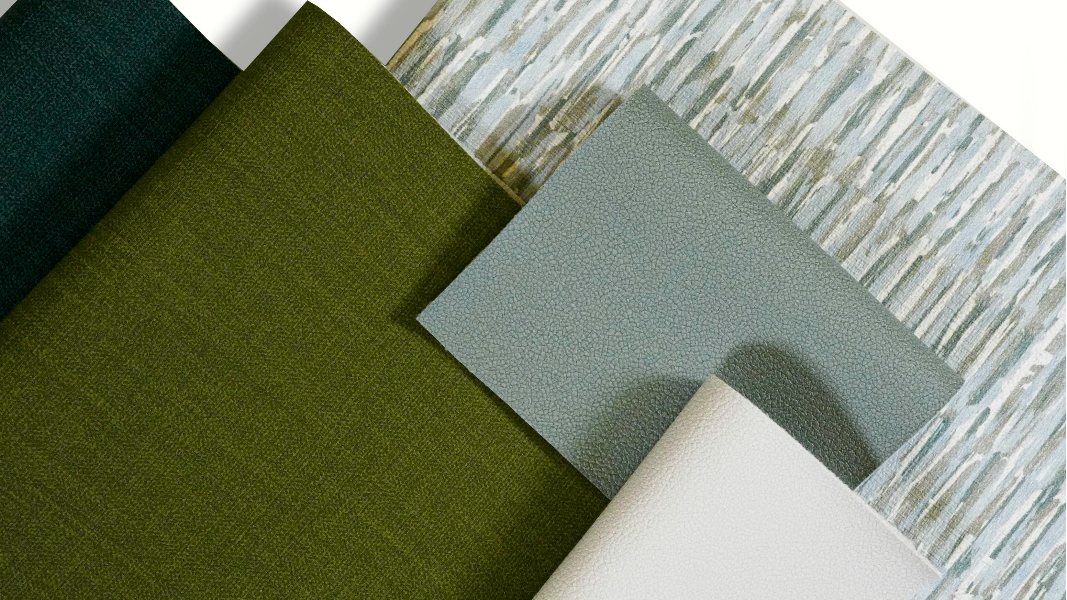
Hyphyn featuring Pallas Textiles prints
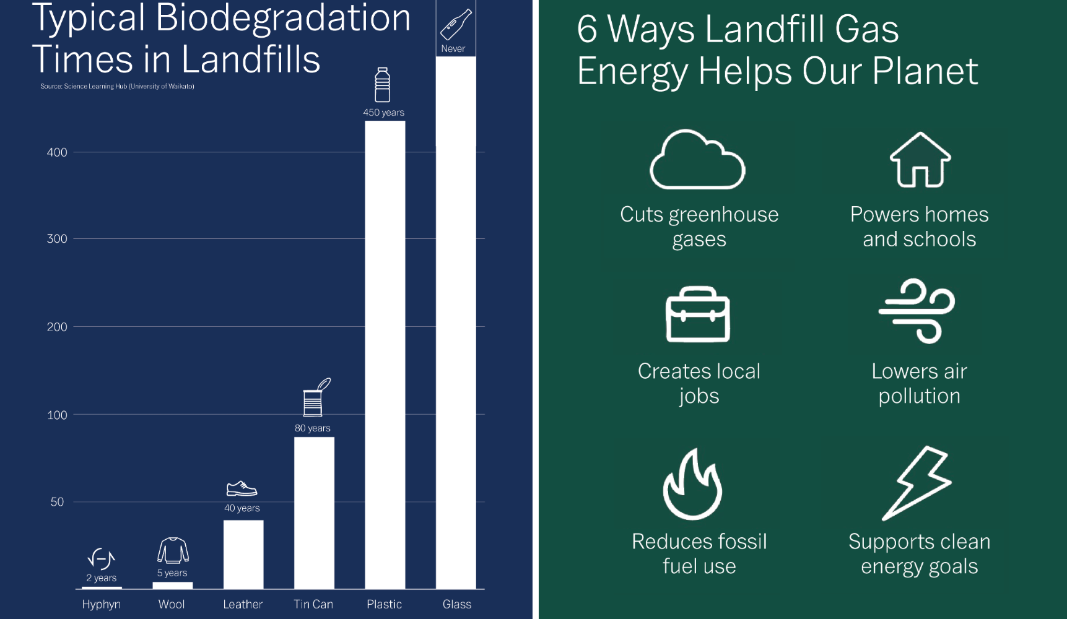
So how exactly can a material be strong enough for germy hospitals, sticky schools, and high-traffic airport lounges—while also being biodegradable? Hyphyn accomplishes this seemingly dichotomous role through an embedded enzyme system that combines with a resin to create a material that’s dormant while the material is in use and breaks down after its disposal. After its useful life, Hyphyn degrades in landfills from a lack of oxygen and light along with added microorganisms. Pretty amazing, huh? What’s more, Hyphyn biodegrades over 90% (!) within two years, without a trace of chemicals, microplastics, or toxins; only inert gases and biomass are left.
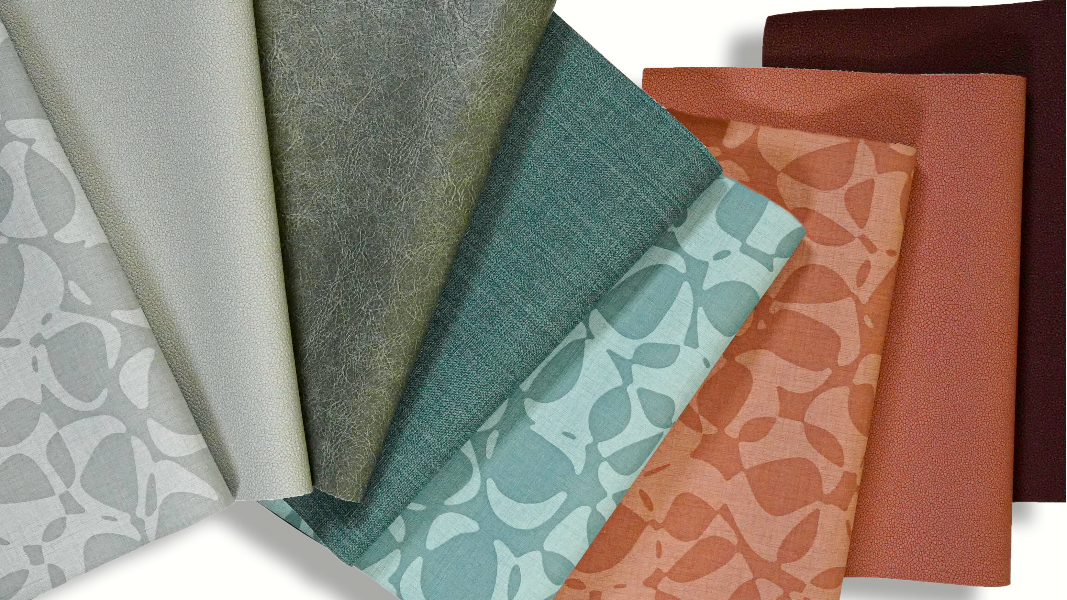
Hyphyn featuring Arc-Com prints
Even more importantly, Hyphyn does no harm during active use; it’s safe for indoor air quality and lacks all the nasties (i.e. heavy metals and PFAS, and chemicals listed in Prop 65, RoHS, and REACH).
A hit at this year’s NeoCon, HCD Expo, and BDNY shows, Hyphyn already has proprietary designs with several distributors, and Nassimi is also working on its own patterns to launch next year. “Longer term, we’re looking to incorporate bio-based components at the source level,” says Nassimi.
And we look forward to seeing what Nassimi comes up with next.
—Rita Catinella Orrell