Boneli Turns Stone Scraps into Design Gold
Frankly, the stone industry hasn’t exactly been known for efficiency. From excess inventory and wasted material to complicated sourcing pipelines, there’s been a whole lot of good material going nowhere. Until now: Enter Boneli.
The newly launched online marketplace directly connects fabricators with architects, designers, and builders, making it easier than ever to source high-end marble and natural stone remnants—and actually do something with them.
Instead of sitting in warehouses (or worse, heading to landfills), these leftover slabs are uploaded to Boneli’s platform, where users can browse available materials, select a piece, and either purchase it as is or transform it into a finished design.
And the process? Surprisingly painless.
Sourcing, Simplified
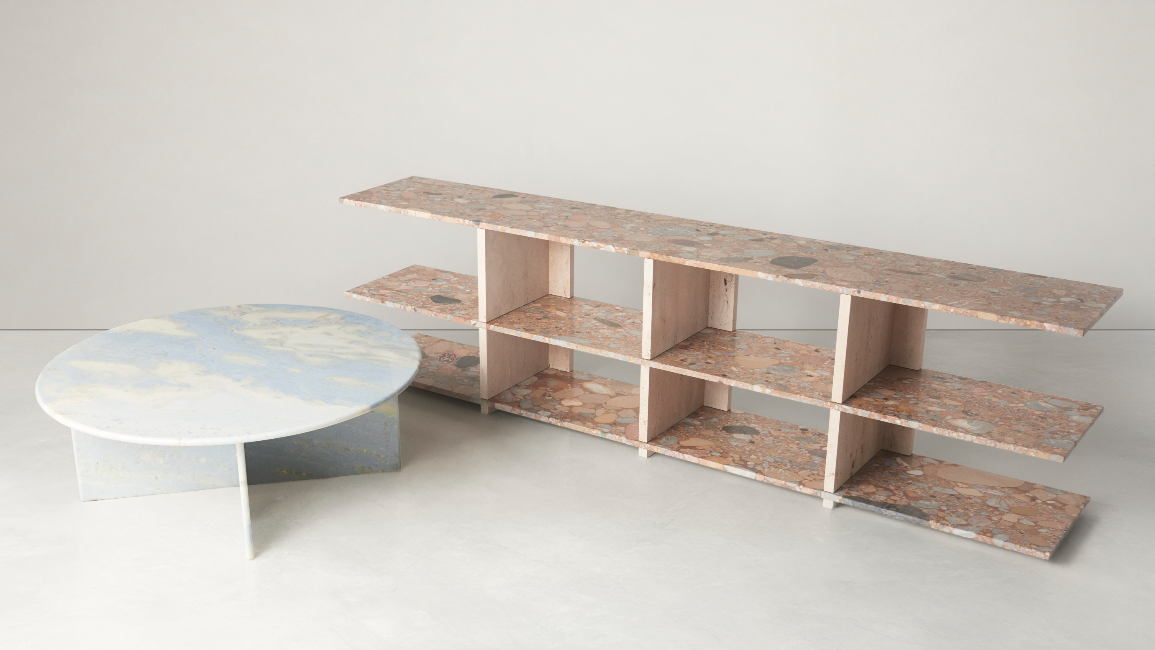
Users can scroll through a wide catalog of materials—everything from Calacatta marble to onyx and quartzite—often in smaller, more manageable sizes that make high-end stone feel a lot more accessible. From there, it’s a choose-your-own-adventure moment: Buy the remnant outright, or pair it with a design to create a custom piece, such as a coffee table, shelving, or a fully bespoke object.
“What I kept seeing is that when designers or homeowners need remnants, there’s no real way to access them,” says Boneli CEO and founder Erez Shacham. “People end up going to fabricators’ yards and searching manually for pieces to fit small projects—it’s inefficient and outdated. With Boneli, we’re changing that by creating a centralized, digital way to source high-quality remnants more efficiently.”
But Boneli isn’t just about sourcing—it’s also about earning.
Passively Get Paid
“Designers can upload digital drawings to Boneli and start earning passive income—something that hasn’t really existed in this space before,” Erez says. When a client selects a remnant and pairs it with a designer’s concept, that idea becomes a finished product, and the designer gets a cut. It’s part marketplace, part creative ecosystem, and honestly … kind of genius.
Fabricators, meanwhile, get a streamlined way to monetize surplus inventory that would otherwise gather dust. By listing remnants in real time, they can free up storage space, reach a broader audience, and generate new revenue with minimal lift.
So yes, it’s sustainable—but it’s also just smart business.
One-Offs Only
And then there’s the design angle. You’re not getting cookie-cutter slabs when you’re working with remnants —you’re getting one-offs. We're talking rare veining, unexpected cuts, and pieces that quite literally cannot be replicated. It’s constraint-meets-creativity in the best possible way.
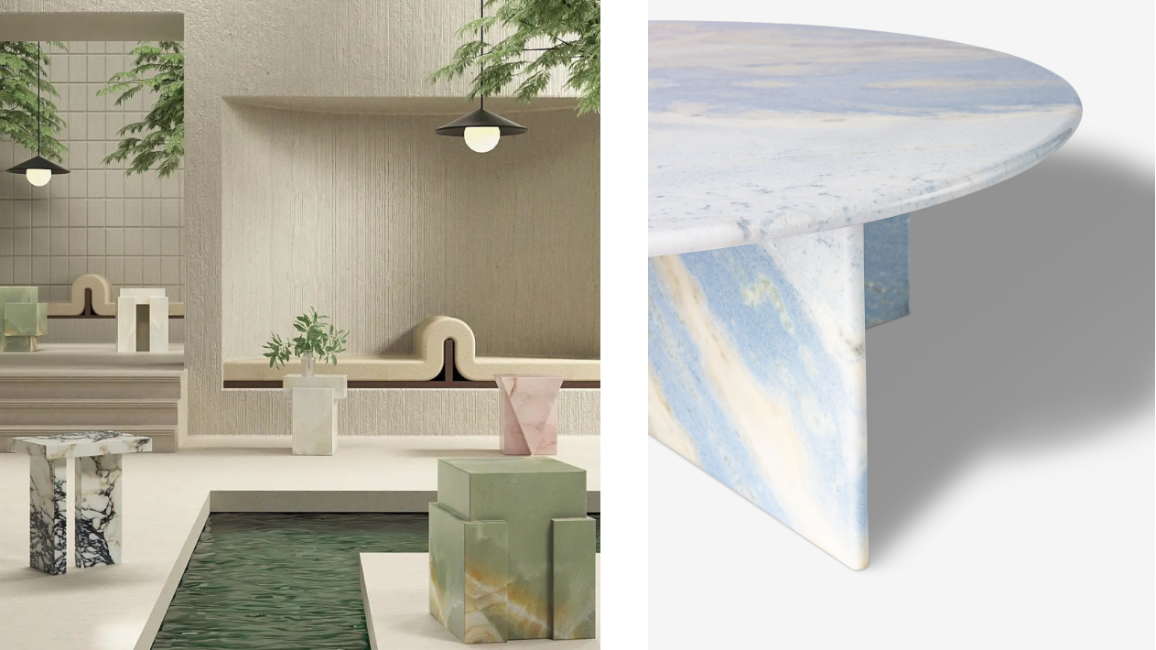
A recent collaboration with New York–based studio Of Possible shows exactly what that can look like: a dreamy, sky-blue marble table crafted from reclaimed slabs, where the material itself drove the design.
“At its core, it’s about making the system more efficient, more accessible, and ultimately more sustainable,” Erez believes.
Boneli is proposing something bigger than just a new sourcing tool. It’s a mindset shift where excess becomes opportunity and sustainability becomes a creative edge.
We'd say it’s about time.
—Murrye Bernard