From Style to Sustainability, Bolon’s New BKB Colorways Check All the Boxes
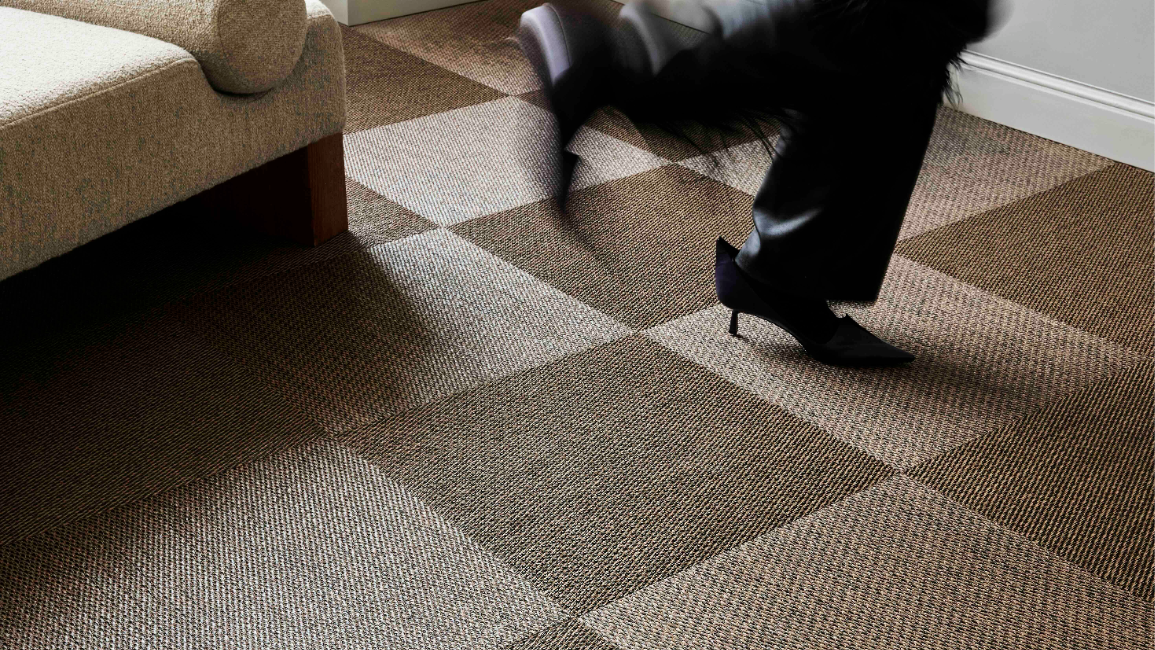
You don’t have to be a Scandi purist to enjoy the calming effects of Nordic design. Just a hint of Scandinavian aesthetic can go a long way toward grounding a space—and some might say the results are even better if that product comes from across the pond. Bolon’s high-performance woven flooring, made in Sweden, checks all the boxes that matter to hospitality and workplace designers, such as durability and sustainability.
Bolon has been available in North America since 2004 exclusively through Matter Surfaces. BKB was Bolon’s first woven flooring offering, and it’s a keeper. Specifiers love its performance and neutral palette, including beige, gray, brown, and black. Now, BKB has been expanded with four new colorways: Sisal Umber, Sisal Loam, Sisal Fawn, and Sisal Dune add warmth and depth to interiors with layered, tonal schemes.
“BKB is a beautiful classic flooring collection,” says Klara Persson, design director at Bolon. “It’s a great choice for long-lasting interior architecture. With new design attention to colors and contemporary interior settings, the collection will continue to add a perfect mélange of textile structure to our product portfolio for years to come.”
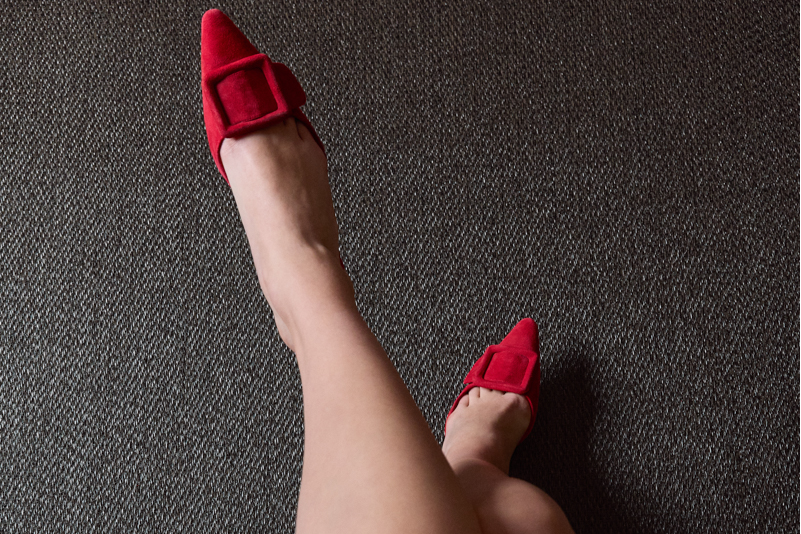
Bolon’s proprietary weaving technique using folded yarn gives BKB a structured, textile-like surface that mimics sisal while maintaining durability in high-traffic settings. Unlike surface-level woven products, BKB is moisture-resistant. It merges the durability of resilient flooring with the comfort and acoustic benefits of soft surfaces.
Bolon products contain an average of 68% recycled and bio-based content—including recycled PVC and backing materials—as well as bio-attributed inputs derived from industrial waste streams. “All production takes place in a single Swedish facility, powered by 100% renewable energy supported in part by on-site solar panels,” says Barry Hume, CEO, Matter Surfaces.
The factory also operates a closed-loop water system, meaning process water is continuously reused without discharge. And that’s not all. The Back2Bolon take-back program enables circularity for Bolon products installed using non-permanent methods. At the end of life, they are fully recycled into new Bolon products. This process reduces reliance on virgin resources and, of course, diverts material from landfills. That’s a shared goal that designers everywhere strive for.
—Diana Mosher