FAB 5: Bernie de Le Cuona
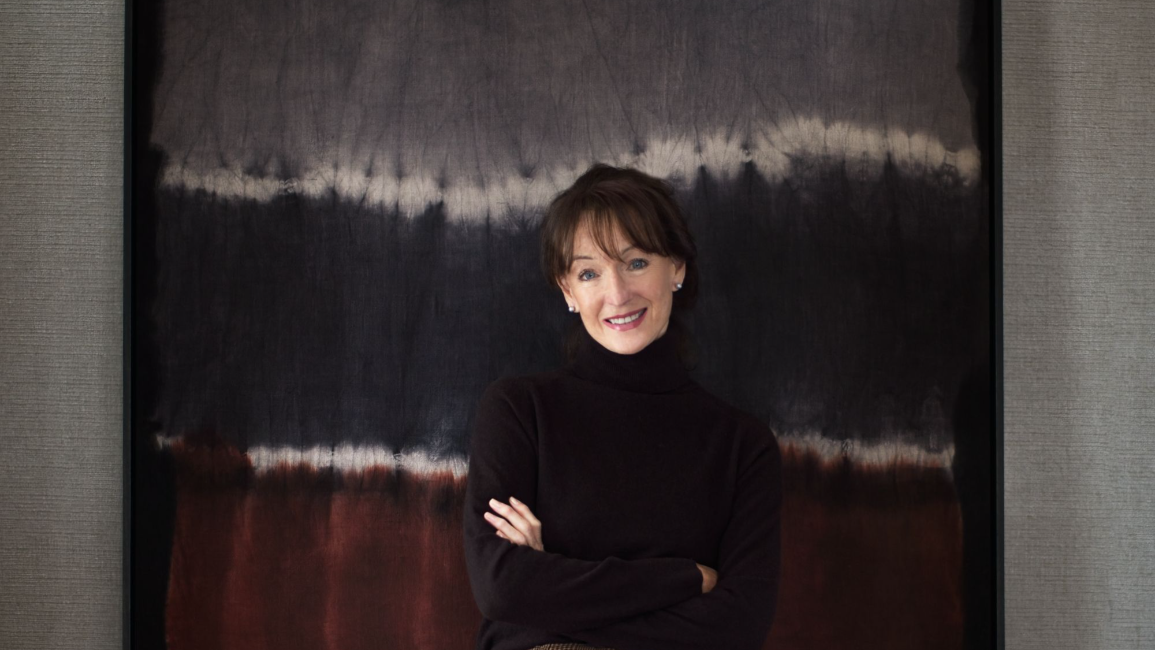

FAB 5: Bernie de Le Cuona

For Bernie de Le Cuona, great design starts with where you’ve been. The South African–born, British-based founder of her namesake textile studio draws on a life informed by travel, culture, and a deep connection to the natural world. “Experiencing different cultures, landscapes, and artisanal traditions has shaped not only my aesthetic but also my values as a designer," she says. "Seeing how materials are sourced, crafted, and used in different parts of the world gives you a deep appreciation for authenticity and skill.”

That duality of South Africa’s raw beauty and England’s sense of refinement defines her signature: relaxed yet timeless textiles rooted in nature. Known for her organic linens, Bernie has built a brand that marries luxury with performance, creating high-durability fabrics without relying on synthetic blends.

Her approach is steadfast: natural fibers only and always. “Natural fibers are at the heart of everything we do because they have a life and character that synthetic materials simply can’t replicate. They breathe, they age beautifully, and they develop a softness and patina over time that adds to their appeal,” she says, adding that material choices come with a responsibility to sustainability and longevity.

Here, Bernie shares more on her material-first mindset and why designing with intention never goes out of style.


What does “good design” mean to you?

Good design feels entirely natural yet deeply intentional. It doesn’t demand attention, but reveals itself gradually through use and experience. 

It’s about balance—between beauty and function, simplicity and richness, tradition and innovation. 

Good design has a sense of honesty. Nothing feels forced or overly contrived. It should also stand the test of time, both aesthetically and physically.


What piece of advice would you give your younger designer-self?

To trust my instincts far earlier and more completely. I’ve learned that your unique perspective is the very thing that sets you apart. 

Also, I'd remind myself that building something of lasting value takes time. There’s no shortcut to craftsmanship, integrity, or reputation—and those are ultimately what endure.


What source of inspiration have you drawn from lately?

I recently spent time at the V&A Archive [a public archive for the Victoria and Albert Museum in London], and it was extraordinary. Being able to sit with original textiles and objects up close, to really study how they were made and how they've aged, is invaluable. It grounded my thinking and provided incredible inspiration.


What’s a material, color, or trend you swore you’d never use that you’ve now embraced?

I’ve always gravitated toward a neutral, understated palette. However, I’ve come to appreciate the richness of tones like ochre, rust, and deep clay. If used thoughtfully, they don’t overwhelm a space but instead add warmth and depth. Color can enhance a mood or bring a new dimension to a textile. It’s been an interesting evolution.


What everyday object do you think is beautifully designed?

The simplest objects, when made well, can be the most beautiful. A linen napkin is a perfect example: Crafted with care, it becomes a small but meaningful luxury. The texture, the weight, the way it softens and improves over time, there’s a quiet elegance to it. It reflects the idea that design doesn’t need to be extravagant to be impactful.