Beyond the Hype: Milan Design Week’s Most Poignant Exhibitions Yet
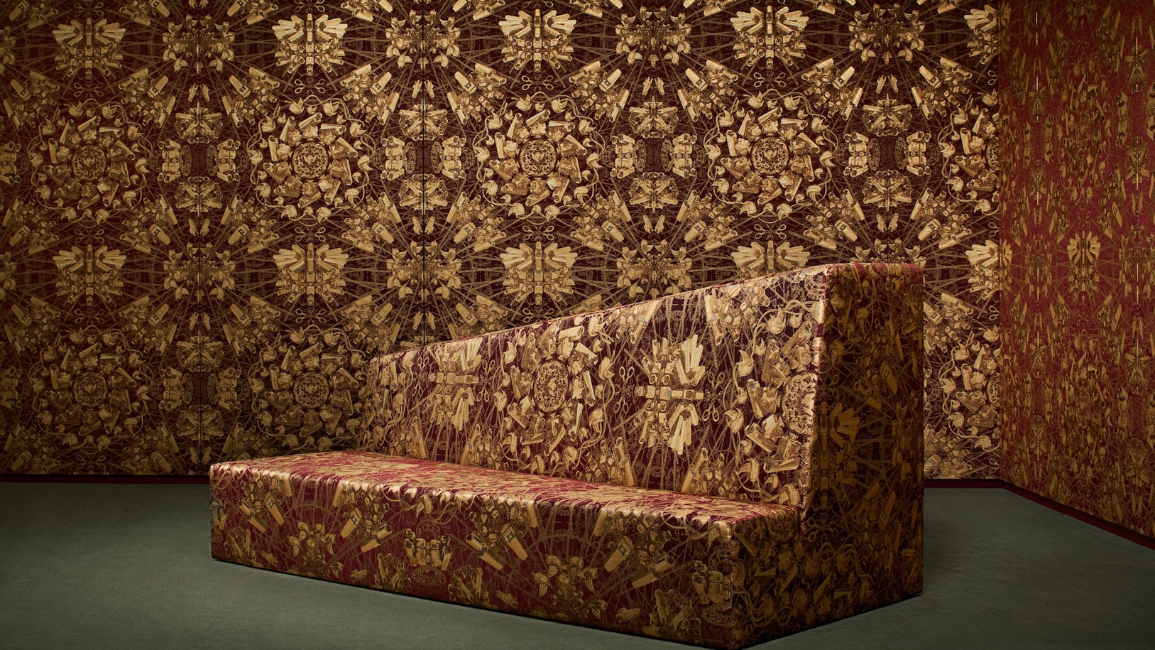
Ai Weiwei’s About Silk installation, created in collaboration with Rubelli
Milan Design Week 2026 was alive with imagination. While some moments leaned into high-energy spectacle, more often than not, the week delivered unforgettable experiences brimming with substance. Rich, narrative-based concepts, expressive spaces crafted to transport, inform, and move the viewer, and a significant pivot toward collectible design were the overarching themes. These are some of my favorite moments along my 20,000-steps-a-day path in Milan.
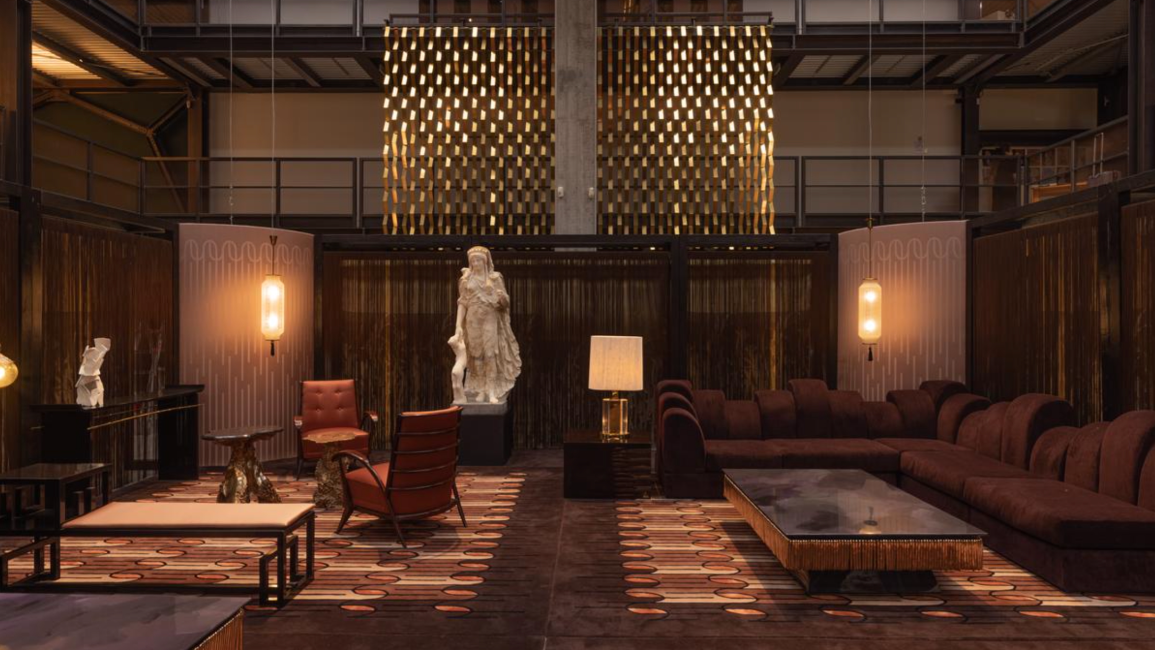
Nilufar Grand Hotel. Photo by Alejandro Ramírez Orozco
Nilufar Grand Hotel
I would love to live in Nina Yasher’s head—truly. An absolute arbiter of taste with an innate ability to blend cultures, time periods, and aesthetics, Nina transformed her gallery, Nilufar Depot, into an immersive, exceptionally curated fictional hospitality space, named the Nilufar Grand Hotel. And grand it was! A lobby with a nearly 15-foot-tall, 1960s, hand-blown, incamiciato chandelier greeted visitors before unfolding to reveal a moody lounge that tempted me to switch off my phone and indulge in meditative contemplation of every single detail. Signature rooms by david/nicolas, Filippo Carandini, and Allegra Hicks added to the temptation.
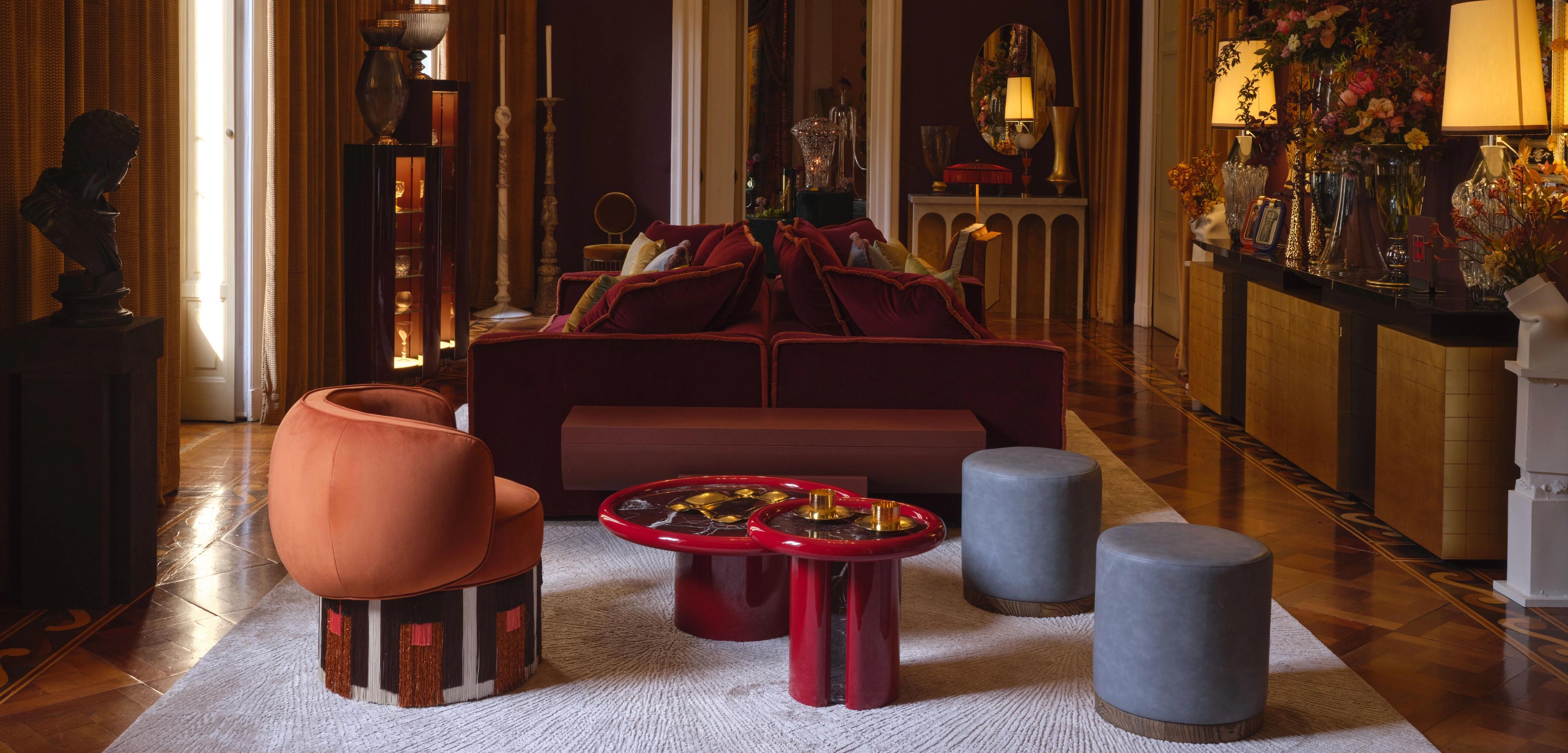
The Grand Salon by MAWD | March and White Design. Photo by Manfredi Gioacchini
L’Appartamento by Artemest
The fourth edition of L’Appartamento by Artemest took Italian Grandeur as its theme to breathtakingly beautiful ends. Held once again at the storied Palazzo Donizetti—where I dream of residing one day—five design studios each reimagined a distinct space into a cinematic masterpiece of Italian design, using a curated selection of furnishings by Artemest artisans. The Grand Salon, conceived by MAWD | March and White Design, was high on material intelligence, blending deep, tactile reds with time-worn plaster, bronze accents, and marble with infusions of golden-yellow tones that you just want to dive into.
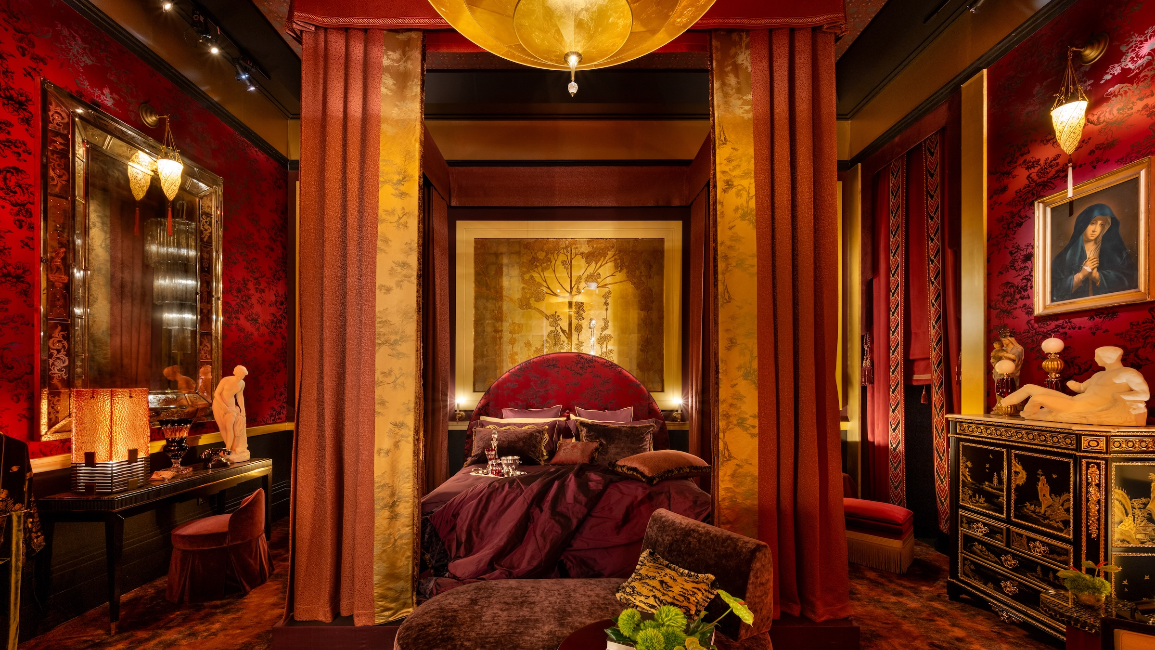
An Architectural Fiction, Maison Numéro 20: Suite 1000 Nights. Photo ©Saverio Lombardi Vallauri
Aurea, An Architectural Fiction
Maison Numéro 20, the Parisian agency helmed by Oscar Lucien Ono, delivered one of Salone del Mobile.Milano’s most spellbinding installations this year. Aurea, an Architectural Fiction embodied the visual and tactile language inherent to the most luxurious of hospitality spaces, propelling guests through an impeccably choreographed warren of rooms and corridors where imagination takes flight. The fantastical interpretation of a hotel—which was on the verge of transcending realized spaces—reflected an otherworldly sensory journey that combined elements of surrealism and Art Deco with historical and mythical references to theatrical effect.
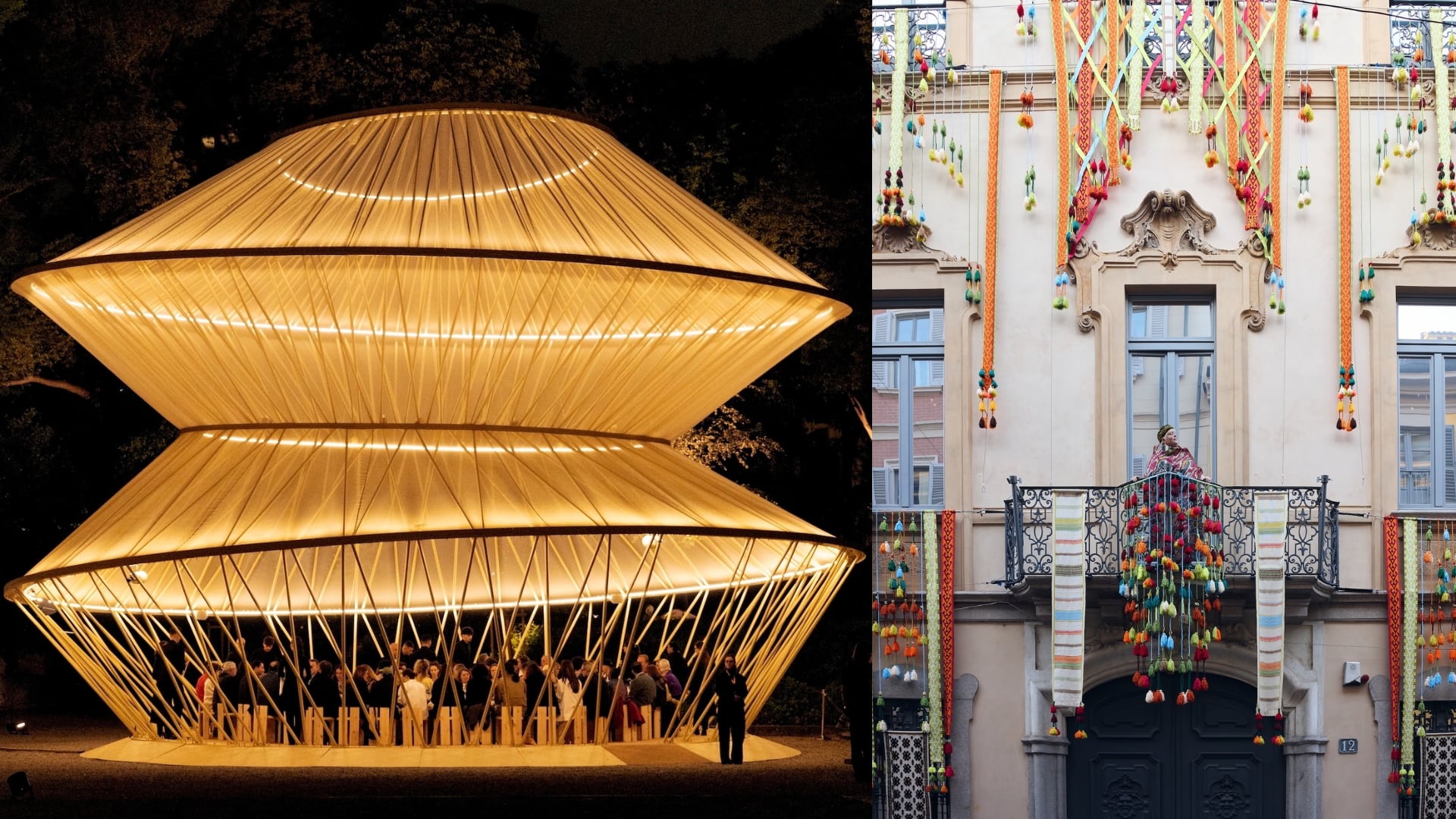
“When Apricots Blossom” at Milan Design Week 2026: “Deconstructed Yurt” by Kulapat Yantrasast and WHY Architecture, commissioned by ACDF ( above left);“Bringing The Inside Out,” tasseled threshold tapestry by designer Bethan Laura Wood with Uzbek artisans ( above right). Images courtesy of ACDF.
When Apricots Blossom
When Apricots Blossom offered an incredibly moving tribute to the Karakalpakstan and Aral Sea regions of Uzbekistan. Commissioned by the Uzbekistan Art and Culture Development Foundation (ACDF) and curated by Kulapat Yantrasast, the exhibition shined a light on cultural resilience amidst environmental crisis, inspired by a poem by Hamid Olimjon. A hint of the journey to come began at the façade of the Palazzo Citterio, where vibrant, cascading tassels by Bethan Laura Wood and Uzbek artists reimagined traditional yurt ornamentation. Inside, an ethereal expanse of reed-like forms by WHY Architecture—a poignant reference to the impact of irrigation on the region—housed works, including reinterpretations of traditional bread stamps, created by 12 international designers in collaboration with Uzbek artists. Outside, visitors were invited to reflect inside a massive, deconstructed yurt.
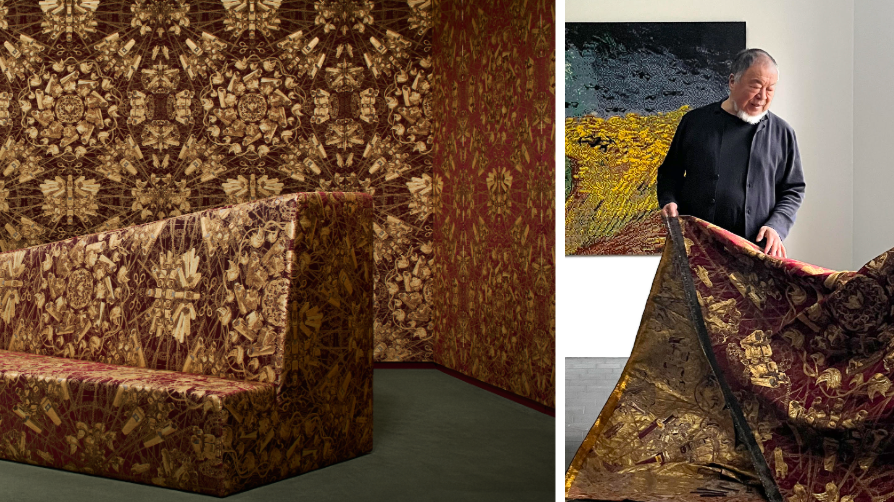
Courtesy of Rubelli (above left); Ai Weiwei (above right). Photo by Felipe Sanguinetti
Ai Weiwei: About Silk, a site-specific installation for and with Rubelli
Few moments sparked a dialogue as profound as Chinese artist Ai Weiwei’s site-specific About Silk installation, created in collaboration with Venetian textile house Rubelli. Upon entering the brand's showroom, visitors are enveloped in silk lampas that reinterpret one of the artist’s earlier provocative works. While my initial impression was one of Baroque charm—I was ready to swathe myself in the fabric—a closer look reveals censorship motifs integral to the artist’s message. Surveillance cameras, the Twitter bird, and handcuffs are all given new life as subversive elements of dissent. Likewise, the use of silk—a material originating in China and a first for Weiwei—is deeply resonant, linking countries and transforming a medium of splendor into a mechanism of defiance. This exhibition is up until May 15, so you still have a chance to see it in person.
—Nicole Haddad